
Quick answer: To start a barber shop (kinyozi): pick a busy spot (estates, colleges, stages), buy quality clippers, chairs, mirrors, a steriliser and towels, plan power backup because outages stop all work, get your county permit, price by service, and add extras such as beard grooming, hair colour, scalp treatment and product sales. Hygiene and consistent cuts bring regulars.
Equipment List
| Item | Why |
|---|---|
| Professional clippers and trimmers (spares too) | Core tools |
| Barber chairs and mirrors | Comfort and service |
| UV or chemical steriliser, disinfectant | Hygiene |
| Towels, capes, neck strips | Clean service per client |
| Shaving kit and aftershave | Extra services |
| Power backup (UPS, inverter or generator) | Keep working in outages |
| Water point | Washing and scalp treatments |
Backup options: compare inverter vs generator.
Location and Setup
- Visible, safe and close to your target clients.
- Bright lighting and clean walls.
- A waiting bench, music and Wi-Fi help.
- Display prices clearly.
Licences and Hygiene
- County single business permit (guide).
- Public health requirements where your county applies them.
- Sterilise clippers and combs between clients.
Raise Income per Client
- Beard trims and shaping
- Hair dye and colour
- Scalp treatment and hot towel
- Children's cuts on weekends
- Selling combs, oils and brushes
Staff and Money
Many barbers work on commission or rent a chair. Agree terms in writing, record every client, and take payments on an M-Pesa till (how to get a till).
Example: A College-Gate Kinyozi
A barber opens with two chairs near a college, offers a student price on weekdays and charges more for fades and designs on weekends. He posts each new style on TikTok; queues on Friday evenings pay for a second barber within months.
Your First 30 Days
- Week 1: location and permits.
- Week 2: equipment and power backup.
- Week 3: price list and social media pages.
- Week 4: open with a launch offer.
Common Mistakes to Avoid
- Cheap clippers that break.
- No power backup.
- Dirty tools.
- Unclear chair-rent terms.
Keep Regulars Coming Back
- Save each client's number and preferred cut; send a reminder after two or three weeks.
- Offer a loyalty card: for example, every sixth cut at a discount.
- Keep waiting times short with WhatsApp bookings at busy hours.
- Post fresh cuts on Instagram and TikTok with the barber's name.
Maintain Your Clippers
Clean and oil blades daily, replace worn blades, and keep spare clippers so a breakdown never stops work. Good tools give clean fades, and clean fades bring clients back.
Stay safe: never pay a "registration", "activation" or "withdrawal" fee to get paid, and never share your password or M-Pesa PIN. Real online income comes from people paying for your content, products or skills.
Create your free Stay Home Network account, or log in with H-MAIL on app.stayhomenetwork.com.
Frequently Asked Questions
How much does it cost to start a barber shop in Kenya?
It depends on rent, chairs and equipment; small kinyozis start with one or two chairs and quality clippers.
Is a barber shop a profitable business in Kenya?
Yes, with a good location, regular clients and power backup.
What equipment does a barber shop need?
Clippers, chairs, mirrors, a steriliser, towels and power backup.
Do barber shops need a licence?
Yes, a county business permit and any public health requirements.
How do barbers increase income?
Add beard, colour and scalp services and sell grooming products.
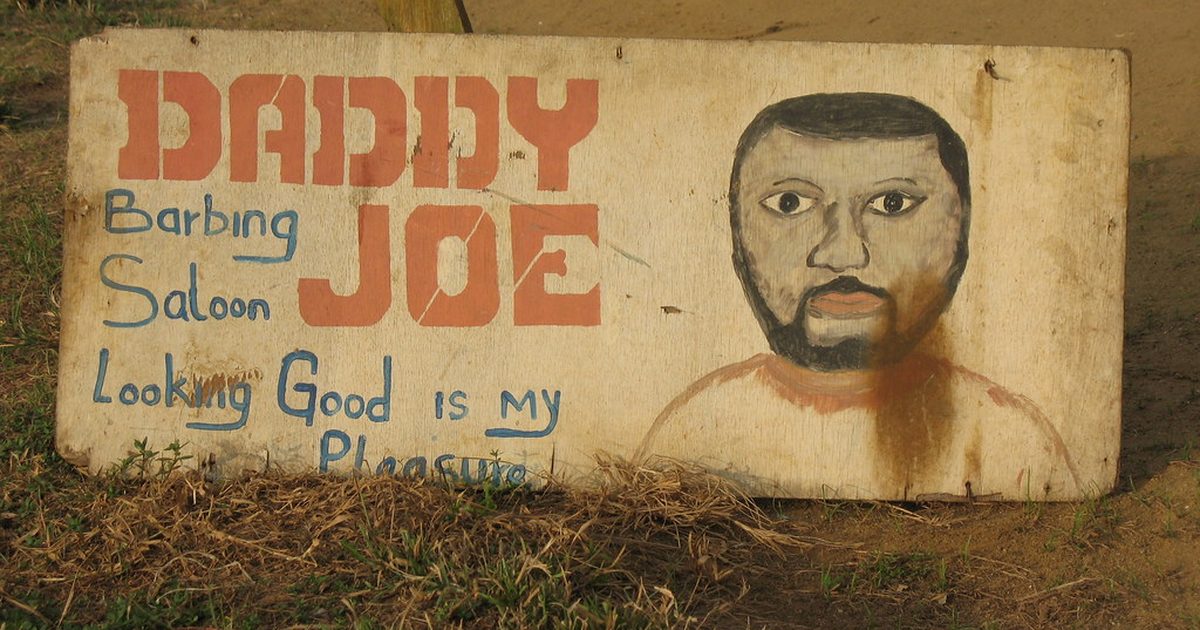
Cover photo: A hand-painted barber shop sign in Africa. Photo: Daddy Joe_1355 by hoyasmeg, BY 2.0, via Openverse.