
Quick answer: Kenyan artists earn from several sources at once: streaming (through a digital distributor to Spotify, Apple Music, Boomplay, Audiomack and others), YouTube, Skiza tunes (ringback tones), royalties collected by licensed collective management organisations (for composers, performers and producers), live shows and events, beats, features and studio work, and brand deals. Register your works, keep split agreements in writing and build a fan base that pays you directly.
Income Streams
| Stream | How you get paid | Tips |
|---|---|---|
| Streaming platforms | Through a digital distributor that pays you per stream | Release consistently; pitch to playlists |
| YouTube | Ad revenue once in the Partner Programme; Content ID | Lyric and behind-the-scenes videos too (YouTube guide) |
| Skiza tunes | Through an aggregator or label that places your song | Ask fans to set your tune |
| Royalties | From a collective management organisation when your music is played publicly | Register as composer, performer or producer |
| Shows and events | Fees from organisers, weddings, corporate events | Have a press kit and clear rates |
| Beats and production | Selling beats, producing for others | Use contracts and lease terms |
| Brand deals | Paid posts and jingles | See brand deals guide |
| Merch and fan support | T-shirts, caps, direct support | Sell through a free Buy More Mall shop |
Royalties in Kenya
Collective management organisations licensed under the Copyright Act collect royalties when music is played in public (radio, TV, businesses, events) and pay members. Different organisations represent composers and publishers, performers and producers. Check the Kenya Copyright Board (KECOBO) for the organisations licensed this year and register your works with the right one.
Releasing Your Music Step by Step
- Finish the song with clear agreements on splits with writers, producer and featured artists.
- Get the master and artwork you own the rights to.
- Choose a digital distributor and upload with correct credits.
- Set a release date and pre-save campaign.
- Post short clips on TikTok, Reels and Shorts before and after release.
- Register the work for royalties.
Protect Your Rights
- Keep written split sheets for every song.
- Do not sign long exclusive contracts without advice.
- Keep your project files and lyrics dated.
- Use only samples and beats you have the right to use.
Example: An Independent Gospel Artist
An artist releases one song a month through a distributor, posts rehearsal clips on TikTok, registers each work for royalties and gets her songs placed as Skiza tunes. Church events and weddings book her, and she sells branded T-shirts at shows.
Your First 30 Days
- Week 1: list your songs, splits and rights.
- Week 2: choose a distributor; prepare artwork.
- Week 3: plan release and short videos.
- Week 4: register for royalties and pitch shows.
Common Mistakes to Avoid
- No written splits.
- Signing contracts you do not understand.
- Releasing without promotion.
- Ignoring royalty registration.
Stay safe: never pay a "registration", "activation" or "withdrawal" fee to get paid, and never share your password or M-Pesa PIN. Real online income comes from people paying for your content, products or skills.
Create your free Stay Home Network account, or log in with H-MAIL on app.stayhomenetwork.com.
Frequently Asked Questions
How do Kenyan musicians make money?
Streaming, YouTube, Skiza tunes, royalties, live shows, production and brand deals.
How do I put my music on Spotify from Kenya?
Through a digital distributor that delivers your songs to streaming platforms.
How do I earn from Skiza tunes?
Through an aggregator or label that places your songs as Skiza tunes and pays you a share.
How do I get music royalties in Kenya?
Register with the licensed collective management organisation for your role (composer, performer or producer).
Do I need a record label?
No. Many artists release independently through distributors and keep more control.
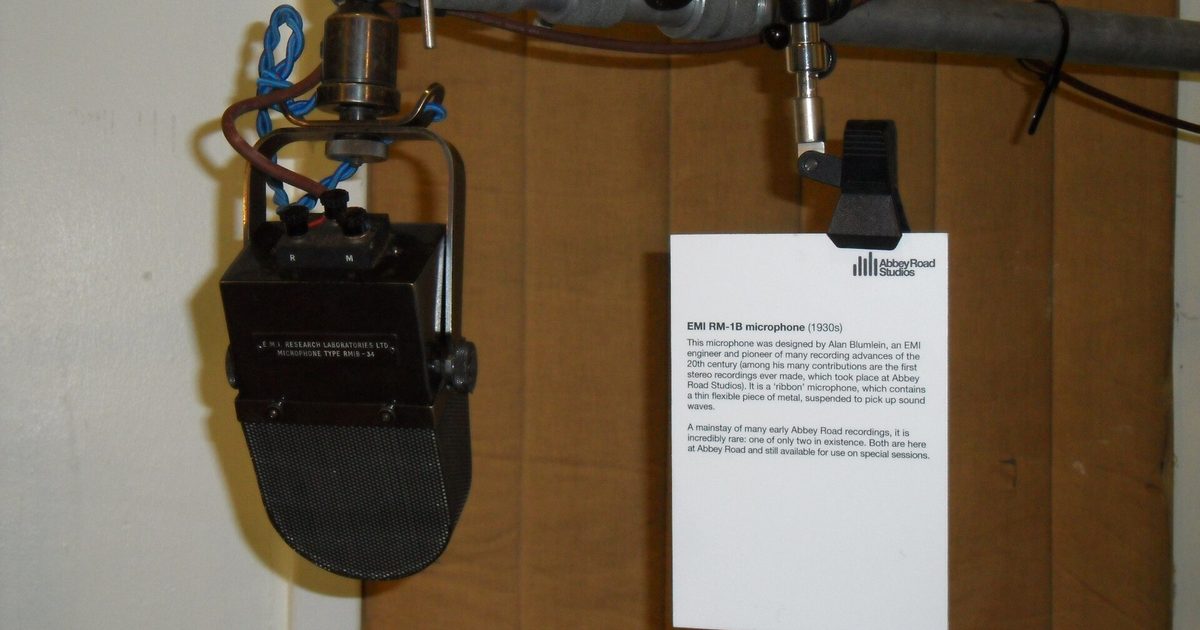
Cover photo: A classic studio microphone in a recording studio. Photo: EMI RM-1B microphone (1930s), Abbey Road Studios.jpg by Josephenus P. Riley, CC BY 2.0, via Wikimedia Commons.


