
Quick answer: You can enter the egg business four ways: retail egg selling (buy trays and sell per egg or tray), an egg depot or distribution (buy from farms, supply shops, hotels and schools), boiled eggs (and smokies) for evening customers, or keeping layers. Start with selling or distribution if you have little capital: buy from reliable farms, store eggs cool and dry, check freshness, price per tray for a clear margin, and build regular buyers.
Eggs are eaten every day across Kenya, from home breakfasts to hotels and roadside stalls. That steady demand makes eggs a good small business, if you handle breakage, freshness and seasonal price changes.
Four Egg Business Models
| Model | Capital | How it earns | Watch out for |
|---|---|---|---|
| Retail egg selling (stall, kiosk) | Low | Margin per egg or tray | Breakage, price competition |
| Egg depot / distribution | Medium | Volume margin selling to shops, hotels, schools | Transport, credit to buyers |
| Boiled eggs and smokies | Low | Higher margin per egg in the evening | Food hygiene, permits |
| Keeping layers | High | Selling your own eggs | Feed costs, disease, 4–5 months before laying |
Sourcing Eggs
- Buy directly from layer farms or established distributors for steady supply.
- Agree on tray sizes, grading and delivery days.
- Buy only what you can sell within a few days, especially in hot weather.
- Track buying prices; egg prices rise and fall with supply and seasons.
Storage and Freshness
- Keep eggs in a cool, dry, shaded place away from strong smells.
- Do not wash eggs before storage (it removes the natural protective coating); wipe dirty ones with a dry cloth.
- Store pointed end down in trays.
- Sell first-in, first-out.
- Freshness check: candle eggs against a light, or place one in water: fresh eggs sink and lie flat, old eggs stand up or float.
Pricing
Eggs are sold by the piece or by the tray of 30. Know your buying price per tray, allow for breakage, transport and your time, and set a selling price per tray and per egg. Distributors earn less per tray but sell many trays a day.
Starting an Egg Depot
- Find two or three reliable farms or suppliers.
- Secure a cool storage room and transport.
- Sign up shops, kiosks, hotels, schools and hospitals with regular orders.
- Deliver on fixed days; keep invoices and records (how to make an invoice).
- Limit credit to buyers who pay reliably.
Keeping Layers Instead?
Layers need housing, feed, water, vaccinations and about 4–5 months before they start laying, and feed is the biggest cost. Many people start by selling eggs, learn the market, then move into layers. For free-range birds see kienyeji chicken farming.
Licences
A county single business permit (single business permit guide). Boiled-egg and food businesses also need public health requirements such as a food handler's certificate.
Fees, licences and rules change and differ by county. Confirm current requirements with your county office or the official body before you pay or apply.
Is the Egg Business Profitable in Kenya?
Yes, when you buy at good prices, sell quickly, keep breakage low and have regular buyers. Distribution profits come from volume; retail and boiled eggs from margin per egg.
Your First 30 Days
- Week 1: visit farms and compare tray prices and quality.
- Week 2: start selling to neighbours, kiosks and workmates.
- Week 3: approach a hotel, school or two shops for regular orders.
- Week 4: review breakage and sales; adjust order size.
Common Mistakes to Avoid
- Overstocking in hot weather.
- Rough transport that breaks trays.
- Washing eggs before storage.
- Unpaid credit to buyers.
- Starting layers without understanding feed costs.
Stay safe: never pay a "registration", "activation" or "withdrawal" fee to get paid, and never share your password or M-Pesa PIN. Real online income comes from people paying for your content, products or skills.
Create your free Stay Home Network account, or log in with H-MAIL on app.stayhomenetwork.com.
Frequently Asked Questions
How do I start an egg business in Kenya?
Choose a model (retail, distribution, boiled eggs or layers), find reliable suppliers, store eggs cool and dry, price per tray for a clear margin and build regular buyers.
How much capital do I need to start an egg business?
Retail and boiled eggs need little capital; distribution needs money for stock, storage and transport; layers need the most for housing, birds and feed.
Is the egg business profitable in Kenya?
Yes, when you buy well, sell quickly, control breakage and have regular buyers.
How do I know if an egg is fresh?
Candle it against a light, or put it in water: fresh eggs sink and lie flat; old eggs stand up or float.
How do I start an egg depot business?
Secure supply from farms, a cool store and transport, then supply shops, hotels and schools on fixed days with invoices and limited credit.
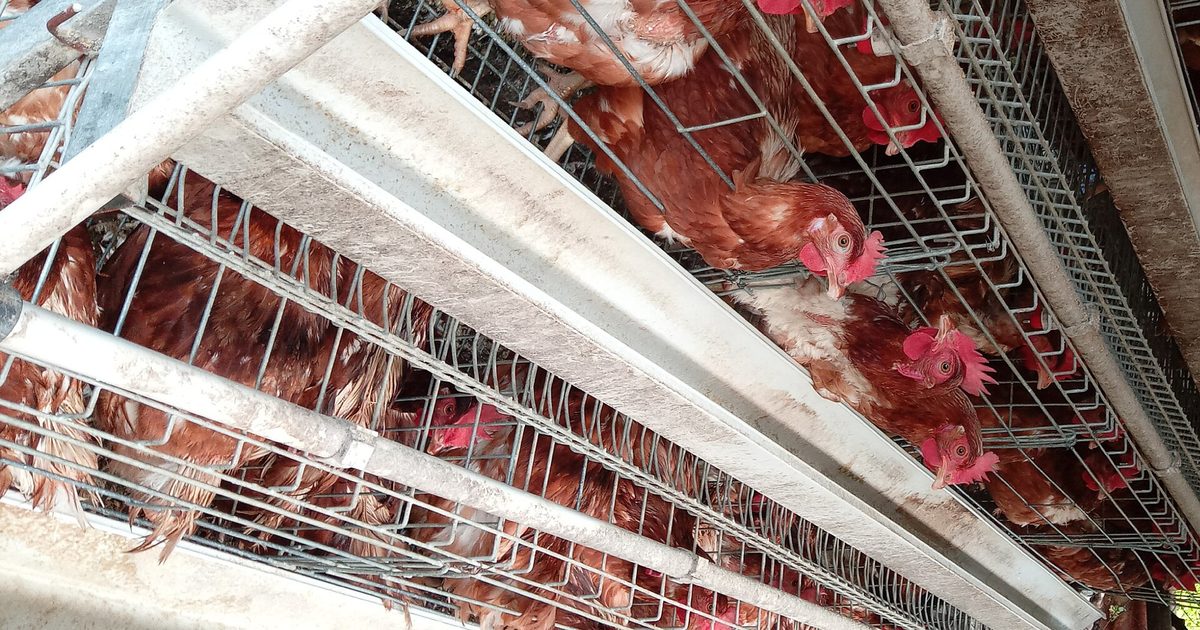
Cover photo: Layer hens in cages on a poultry farm. Chicken Layers in Masvingo.jpg by Shark2025, CC BY-SA 4.0, via Wikimedia Commons.