
Quick answer: To run a matatu you need a roadworthy vehicle suited to the route, membership of a registered matatu sacco (PSV vehicles operate through saccos or companies), an NTSA PSV licence for the vehicle, PSV insurance, a valid inspection certificate, and a driver and conductor with valid PSV badges. Profit depends on the route, the daily target, fuel, maintenance and how well you manage the crew.
Steps to Start
- Study routes: talk to saccos about routes with demand and space for new vehicles.
- Choose and buy a vehicle that meets PSV requirements for that route.
- Join the sacco and pay its fees.
- Insure the vehicle for PSV use.
- Pass NTSA inspection and get the PSV licence.
- Hire a licensed driver and conductor; agree the daily target and pay in writing.
- Fit required items (speed governor, branding, seat belts) as the rules require.
Fees, licences and rules change. Always confirm current requirements with the official body (county, NTSA, EPRA, KEBS, Safaricom or your local agriculture/veterinary officer) before you pay or apply.
Costs to Plan For
| Cost | Notes |
|---|---|
| Vehicle | New or used; check service history |
| Sacco fees | Joining and regular contributions |
| Insurance | PSV cover is a major yearly cost |
| Licensing and inspection | NTSA and county requirements |
| Fuel and maintenance | Biggest running costs |
| Crew pay | Daily target model or salary |
| Branding and fittings | As the route and rules require |
Is the Matatu Business Profitable?
It can be, but many owners lose money through poor maintenance, high targets that push drivers to break rules, and leaks in daily collections. Successful owners keep the vehicle in good shape, choose a strong route, use cashless payments where the sacco supports them, and track every shilling.
Managing the Crew
- Pick experienced, licensed crew with references.
- Agree targets that are realistic and legal.
- Track fuel, mileage and service in a log book.
- Use the sacco's systems for collections where available.
Your First 30 Days
- Week 1: research routes and saccos.
- Week 2: inspect and price vehicles with a mechanic.
- Week 3: buy, insure, join the sacco, apply for licensing.
- Week 4: hire crew, start operations, track daily income and costs.
Common Mistakes to Avoid
- Buying a vehicle before securing a sacco and route.
- Skipping maintenance.
- Unrealistic targets.
- No records.
Worked Example: One Vehicle, Clear Records
Otieno buys a used 14-seater after a mechanic inspects it, joins a sacco on a busy estate route and agrees a written daily target with an experienced driver and conductor. He keeps a log book of mileage, fuel and service and puts aside money daily for insurance renewal and tyres. When the sacco introduces cashless fares, leaks fall and his monthly figures become reliable enough to plan a second vehicle.
Monthly Cost Checklist
| Cost | Plan for |
|---|---|
| Fuel | Daily, the biggest running cost |
| Service and repairs | Set aside a fixed amount daily |
| Insurance | Save monthly for the annual premium |
| Sacco contributions | As the sacco requires |
| Crew pay | Target or salary as agreed |
| Licences and inspection | Renew on time to avoid fines |
Ways to Grow
- Add a second vehicle only when the first is profitable on paper.
- Use sacco savings and loans for growth.
- Consider school or staff transport contracts.
Stay safe: never pay a "registration", "activation" or "withdrawal" fee to get paid, and never share your password or M-Pesa PIN. Real online income comes from people paying for your content, products or skills.
Create your free Stay Home Network account, or log in with H-MAIL on app.stayhomenetwork.com.
Frequently Asked Questions
Is matatu business profitable in Kenya?
It can be on a good route with a well-maintained vehicle and good crew management; poor control loses money.
Do I need to join a sacco to run a matatu?
PSV matatus operate through registered saccos or companies; confirm current rules with NTSA.
What licences does a matatu need?
NTSA PSV licensing, inspection, PSV insurance and licensed crew, plus county requirements.
How much does it cost to start a matatu business?
The vehicle is the biggest cost, plus sacco fees, insurance, licensing and working capital.
How do matatu owners pay drivers?
Commonly through a daily target arrangement or a salary; put it in writing.
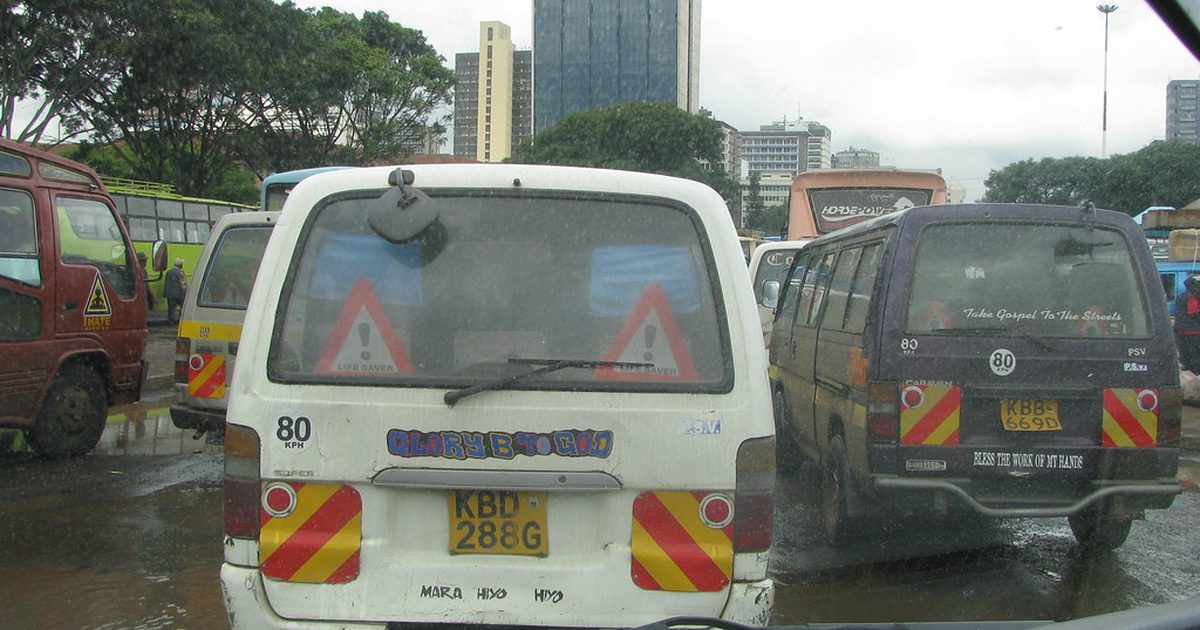
Cover photo: Matatus in Nairobi traffic. Photo: Matatu by shankar s., BY 2.0, via Openverse.


