
Quick answer: To start car hire in Kenya: register the business, get a KRA PIN and county permit, buy or lease reliable cars, take insurance that covers commercial hire (private policies usually do not), use a written rental agreement, check every driver's licence and ID, take a deposit, fit GPS trackers, and price per day with fuel, mileage and damage rules clearly stated.
Requirements
- Registered business, KRA PIN and permit (register a business).
- Insurance that covers vehicles let for hire.
- Vehicles in good condition with valid inspection where required.
- A rental agreement, deposit policy and customer verification process.
Fees, licences and rules change. Always confirm current requirements with the official body (county, NTSA, EPRA, KEBS, Safaricom or your local agriculture/veterinary officer) before you pay or apply.
Choosing Cars
Start with fuel-efficient, popular models that are cheap to service and easy to get parts for. SUVs earn more but cost more to buy and insure. One or two well-maintained cars beat a fleet you cannot manage.
Protect Your Cars
- Verify ID, driving licence and a second contact for every client.
- Take a refundable deposit and photos of the car at hand-over and return.
- Fit a GPS tracker with an engine immobiliser.
- Limit long-distance or cross-border trips unless agreed in writing.
Pricing and Clients
Price per day or per week, with a mileage limit, fuel policy and late-return charges. Clients include tourists, corporate visitors, weddings and people whose cars are in the garage. Market through a simple website, social media and partnerships with hotels and travel agents.
Your First 30 Days
- Week 1: register, open a bank account, research insurance.
- Week 2: buy or lease the first car; fit a tracker.
- Week 3: write the rental agreement; set prices.
- Week 4: start marketing; build a repeat client list.
Common Mistakes to Avoid
- Using private insurance for hire.
- No deposit or ID checks.
- Cars without trackers.
- Underpricing to win clients.
Worked Example: Starting With One Car
Akinyi starts with one fuel-efficient saloon car, insured for hire and fitted with a GPS tracker. She takes a deposit, photographs the car at hand-over and return, and writes mileage and fuel levels on every agreement. Her first regular clients are visitors from a nearby hotel and a company whose staff travel upcountry. After six months of steady bookings she adds a small SUV for safari and wedding clients.
Rental Agreement Must Include
- Client's ID, licence and second contact.
- Daily rate, deposit and payment method.
- Mileage limit and fuel policy.
- Who pays for damage, fines and insurance excess.
- Return date, time and late fee.
- Areas the car may not go without consent.
Ways to Grow
- Corporate monthly contracts.
- Partnerships with hotels and travel agents.
- A chauffeur-driven option for weddings and events.
Stay safe: never pay a "registration", "activation" or "withdrawal" fee to get paid, and never share your password or M-Pesa PIN. Real online income comes from people paying for your content, products or skills.
Create your free Stay Home Network account, or log in with H-MAIL on app.stayhomenetwork.com.
Frequently Asked Questions
How do I start a car hire business in Kenya?
Register the business, get proper hire insurance, buy reliable cars, use a rental agreement and deposit, fit trackers and price per day.
Do I need special insurance for car hire?
Yes. Vehicles let for hire need cover that includes commercial hire; check with a licensed insurer.
How do car hire companies prevent theft?
They verify clients, take deposits, fit GPS trackers with immobilisers and document the car at hand-over.
Is car hire business profitable in Kenya?
It can be with well-maintained cars, good utilisation and strict client checks.
How many cars do I need to start?
You can start with one or two cars and grow as bookings increase.
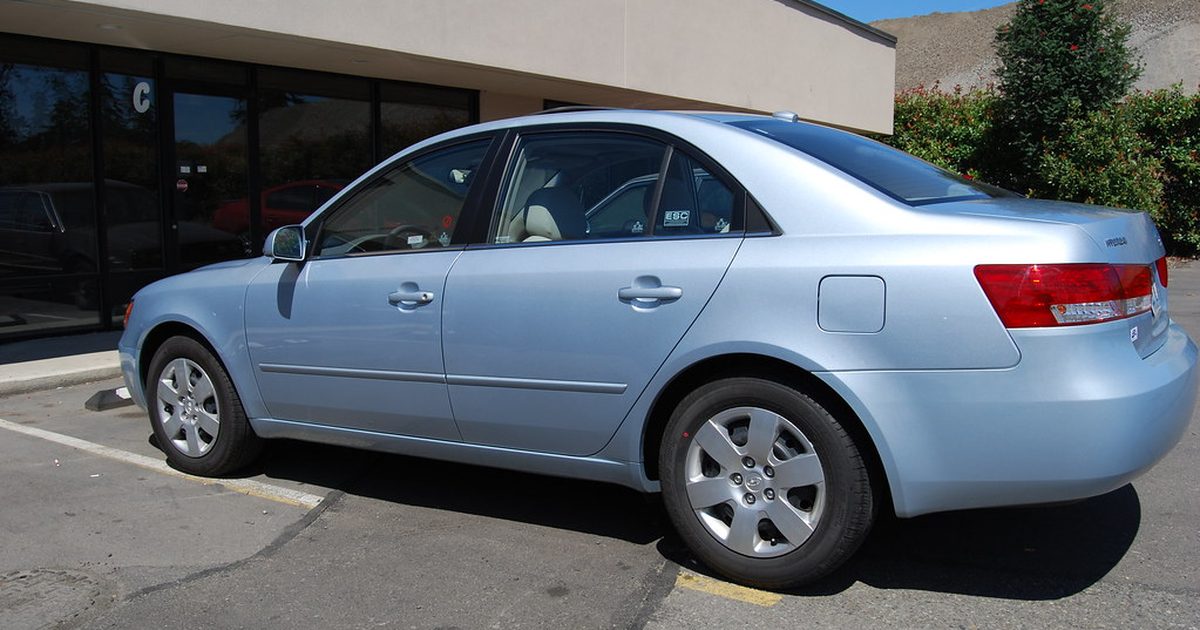
Cover photo: A rental car parked in a car park. Photo: Rental Car in a Tacoma Parking Lot by matt.davis, BY-SA 2.0, via Openverse.