
Quick answer: Start with 10 does and 1 buck of a meat breed such as New Zealand White or California, in raised, well-ventilated hutches. Feed rabbit pellets plus dry, clean greens and fresh water every day. A doe gives birth about a month after mating, litters of roughly 6–10 kits are weaned at 4–6 weeks, and meat rabbits are usually sold at 3–4 months. Secure your buyers (hotels, butcheries, institutions, cooperatives) before you multiply.
Best Rabbit Breeds in Kenya
| Breed | Strength | Notes |
|---|---|---|
| New Zealand White | Fast-growing meat breed | The most common commercial choice |
| California White | Meat, good dressing | Black ears, nose, feet and tail |
| Flemish Giant | Very large size | Slower to mature; good for crossing |
| Chinchilla | Meat and fur | Hardy |
| Crosses | Hybrid vigour | Keep records so you avoid inbreeding |
Housing: Hutch Design
- Raise hutches about 1 m off the ground on legs, with wire-mesh floors so droppings fall through.
- Roughly 0.5–0.8 m² per adult rabbit; a nest box for each doe a few days before kindling.
- Roof against rain and sun, good airflow but no strong draughts.
- Protect from dogs, cats, rats and snakes.
- Collect urine in a tray or gutter: it sells as a foliar fertiliser and pesticide.
Feeding Rabbits
Commercial rabbit pellets give balanced nutrition. Add dry greens and hay (sweet potato vines, lucerne, desmodium, napier, kales in moderation), wilted first: wet, muddy or mouldy greens cause bloating and diarrhoea. Clean water must be available all the time, especially for nursing does.
The Breeding Cycle
| Stage | Typical timing |
|---|---|
| First mating (does) | About 5–6 months old for medium breeds |
| Pregnancy | About 28–31 days |
| Litter size | Roughly 6–10 kits |
| Weaning | 4–6 weeks |
| Re-mating | Many farmers re-mate a few weeks after kindling |
| Market age | About 3–4 months |
Always take the doe to the buck’s hutch, never the other way round, and record every mating and birth.
Common Diseases
- Coccidiosis: diarrhoea and weight loss; keep floors dry and clean.
- Mange (ear and skin mites): crusts and scratching; treat with your vet’s advice.
- Pasteurellosis (snuffles): sneezing, discharge; isolate sick animals and improve ventilation.
- Bloat and enteritis: usually from wet or sudden feed changes.
Where to Sell Rabbit Meat
Hotels and restaurants, butcheries, schools and hospitals (as a lean white meat), supermarkets through processors, and rabbit farmer cooperatives that aggregate and market. Sell breeding stock to new farmers, and urine and manure to crop farmers.
Worked Example: Ten Does in Kiambu
Grace starts with 10 New Zealand White does and 1 buck in timber hutches with mesh floors. She feeds pellets and wilted sweet potato vines, records every mating, and sells urine to neighbouring vegetable farmers from month two. After agreeing a weekly supply with two hotels in Thika, she keeps 3 bucks and 25 does so she can deliver steadily, and sells extra young does to new farmers.
Starter Checklist
| Item | Why |
|---|---|
| Healthy breeding stock from a known farm | Good growth, no disease |
| Raised hutches with nest boxes | Clean, safe kindling |
| Pellets, hay store, water drinkers | Steady nutrition |
| Record book | Avoid inbreeding, track profit |
| Signed or regular buyers | Avoid selling at a loss |
Your First 30 Days
- Week 1: visit 2–3 working rabbit farms and talk to a livestock officer.
- Week 2: build hutches and set up water and feed storage.
- Week 3: buy healthy stock; quarantine new animals for two weeks.
- Week 4: start a mating calendar and line up buyers.
Common Mistakes to Avoid
- Buying stock without a market.
- Damp, dirty hutches.
- Feeding wet or mouldy greens.
- Inbreeding from not keeping records.
Figures here are rough planning guides from common Kenyan practice. Yields and prices vary by area, season and management: talk to your local agriculture, livestock or fisheries extension officer before investing.
Selling your farm produce online? Open a free Buy More Mall shop.
Stay safe: never pay a "registration", "activation" or "withdrawal" fee to get paid, and never share your password or M-Pesa PIN. Real online income comes from people paying for your content, products or skills.
Create your free Stay Home Network account, or log in with H-MAIL on app.stayhomenetwork.com.
Frequently Asked Questions
Is rabbit farming profitable in Kenya?
It can be when you have steady buyers, cheap feed and good records; profit comes from selling meat, breeding stock, urine and manure.
How many rabbits should I start with?
Many farmers start with about 10 does and 1 buck, then grow as sales grow.
How long is a rabbit pregnant?
About 28–31 days.
What do rabbits eat?
Rabbit pellets, hay and dry, clean greens, with fresh water at all times.
Where can I sell rabbit meat in Kenya?
Hotels, butcheries, institutions, supermarkets through processors, and rabbit cooperatives.
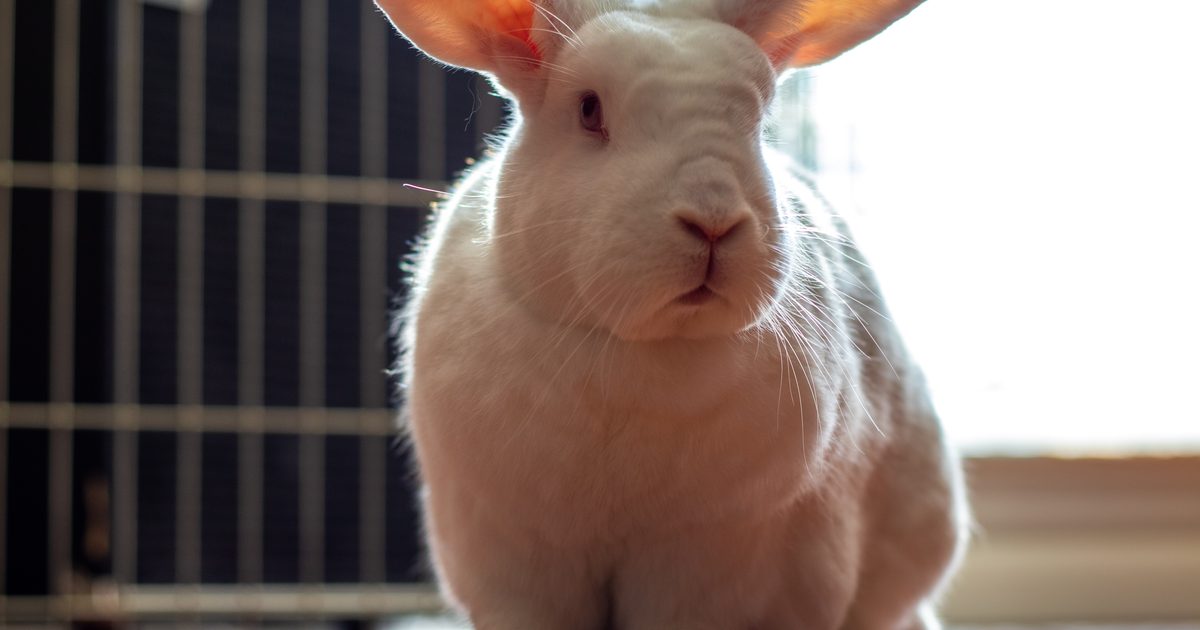
Cover photo: A white rabbit. Photo: New Zealand white rabbit ears low by Elizabeth Chamberlain, BY 2.0, via Wikimedia Commons.