
Quick answer: AI training and data annotation jobs pay people to label images, transcribe audio, rate chatbot answers or write example questions and answers so AI models learn. Kenyans do this work remotely for international platforms and outsourcing companies. Work is real but irregular: projects open and close, platforms change which countries they accept (Remotasks stopped working in Kenya in March 2024), and you should never pay anyone to get a task account.
What Do AI Training Jobs Involve?
| Task | What you do | Skills needed |
|---|---|---|
| Image and video labelling | Draw boxes or outlines around objects, tag scenes | Patience, attention to detail |
| Audio transcription | Type what is said, mark speakers and noise | Fast typing, good listening; Swahili and other languages are valued |
| Text classification | Tag the topic, tone or safety of text | Strong reading and English or Swahili |
| Chatbot rating (RLHF) | Compare AI answers and explain which is better | Clear writing, reasoning, sometimes a specialist field |
| Prompt and answer writing | Write questions and model answers | Writing, maths, coding or professional knowledge |
Where Kenyans Find This Work
- Outsourcing companies with offices in Nairobi that hire annotators as staff or contractors. Look on their official careers pages and LinkedIn.
- Remote task platforms that accept applicants by country. Check the platform’s own sign-up page for Kenya before investing time.
- Freelance marketplaces such as {shn("upwork", "Upwork")}, where companies post annotation and transcription projects.
- Specialist projects for nurses, lawyers, accountants, teachers and developers, which pay more because they need expert judgement.
What Happened With Remotasks?
In March 2024 Remotasks told Kenyan users it was discontinuing operations in Kenya from 8 March 2024, and users lost access to the site; it said pending earnings would still be paid. The lesson: do not build your whole income on one platform. Keep a CV, a portfolio and accounts on several sites.
How Much Do AI Training Jobs Pay?
Pay is usually per task or per hour in US dollars and varies widely by task and project. General labelling pays least; tasks needing a language, a degree or coding skills pay much more. Payment typically goes to PayPal, Payoneer or a bank (see Payoneer in Kenya and PayPal to M-Pesa). Expect weeks with no tasks.
How to Get Hired
- Build typing speed and accuracy (aim for 40+ words per minute with few errors).
- Write a one-page CV that lists languages, devices and any specialist knowledge ({shn("cv", "how to write a CV")}).
- Apply directly on official sites; complete the unpaid qualification tests carefully.
- Read every guideline twice; quality scores decide whether you keep getting tasks.
- Use a reliable laptop, a stable internet bundle and a quiet space.
Scams to Avoid
- "Account sellers" on WhatsApp and Telegram offering verified task accounts for a fee. Renting or buying accounts breaks platform rules and you can lose all earnings.
- Agents who charge a "training" or "registration" fee before you see any work.
- Fake job adverts that ask for your ID photos and M-Pesa PIN.
Example: A Graduate in Kisumu
A science graduate passes a transcription test for Swahili audio, works 15 hours a week in the evenings, and adds a second freelance profile for data entry so that a quiet week on one platform does not mean zero income. After three months she uses her quality record to apply for a better-paid rating project.
Your First 30 Days
- Week 1: practise typing and list your languages and specialist skills.
- Week 2: update your CV and LinkedIn; apply to 5 official sources.
- Week 3: take qualification tests slowly and carefully.
- Week 4: track hours, pay and quality scores; keep applying elsewhere.
Common Mistakes to Avoid
- Paying for accounts or "training".
- Depending on one platform.
- Rushing tasks and losing quality scores.
- Sharing your ID or PIN with "agents".
Stay safe: never pay a "registration", "activation" or "withdrawal" fee to get paid, and never share your password or M-Pesa PIN. Real online income comes from people paying for your content, products or skills.
Create your free Stay Home Network account, or log in with H-MAIL on app.stayhomenetwork.com.
Frequently Asked Questions
Are AI training jobs real in Kenya?
Yes. Companies and platforms pay for labelling, transcription and AI rating work, but projects are irregular.
How do I get data annotation jobs in Kenya?
Apply on official company and platform sites, pass the qualification tests, and keep a strong CV.
Does Remotasks work in Kenya?
No. Remotasks stopped operating in Kenya in March 2024.
How much do data annotation jobs pay?
It varies by task and skill; specialist and language tasks pay more than basic labelling.
Do I need a degree for AI training jobs?
Not for basic tasks; expert projects ask for degrees or professional experience.
Should I buy a verified account?
No. It breaks the rules and you can lose all earnings.
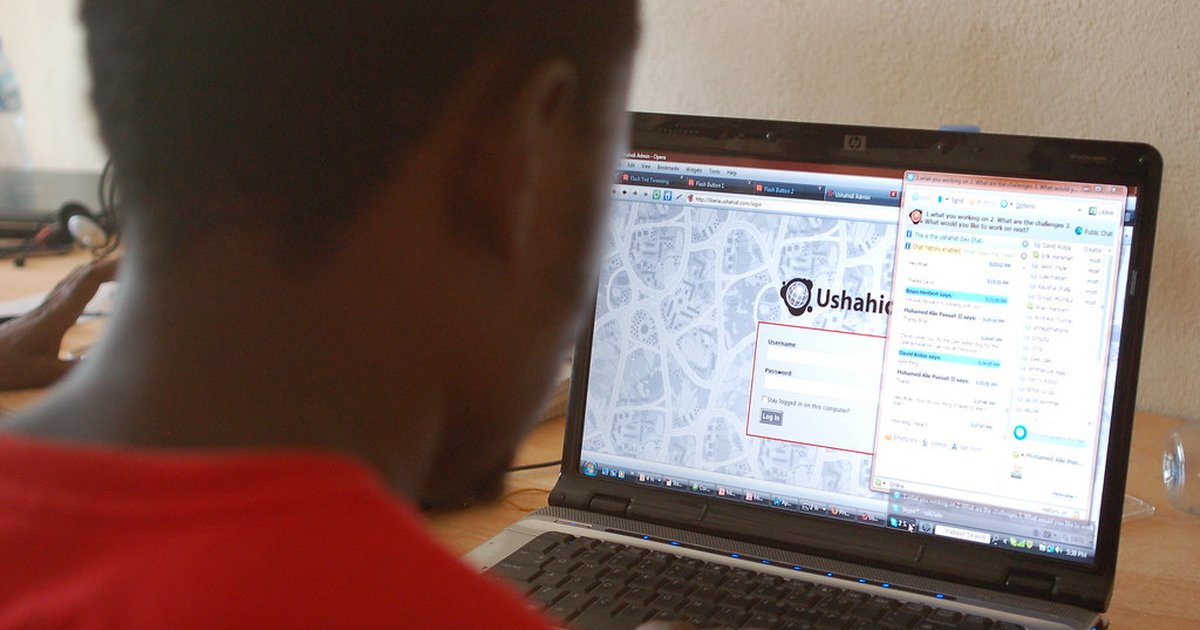
Cover photo: A young man logging in to the Ushahidi platform on a laptop. Photo: Alie, getting logged into Ushahidi by whiteafrican, CC BY 2.0.


