
Quick answer: An Airbnb (short-stay rental) business can be profitable in Kenya where demand is strong and you control costs, but many units in popular Nairobi areas compete on price. Budget for furnishing, a deposit and rent, cleaning, internet, electricity and platform fees, and register with the Tourism Regulatory Authority (TRA), which made registration of short-term rentals mandatory in 2024. A 2% tourism levy on short-stay bookings was proposed in 2026; check its current status.
Start-Up Costs to Plan For
| Item | Notes |
|---|---|
| Rent deposit and first months | If you rent the unit (check the lease allows subletting) |
| Furniture and appliances | Bed, sofa, TV, fridge, cooker, curtains |
| Kitchen and linen | Two or three sets of sheets and towels per bed |
| Internet and smart lock | Guests expect fast Wi-Fi; self check-in saves time |
| Photos and listing | Good photos decide bookings |
| Licences | TRA registration and county permits (reported: KSh 1,000 application plus an annual licence per unit) |
Shop for appliances and furniture from Kenyan sellers on Buy More Mall and compare prices before you buy.
How to Estimate Profit
- Find the nightly rate of similar units near you.
- Estimate occupancy honestly (for example 50–60% in a normal month, not 90%).
- Monthly income = nightly rate × nights booked.
- Subtract rent, utilities, internet, cleaning, platform fees, supplies, levies and tax.
- Compare the result with a normal long-term let of the same unit.
Registration, Tax and Levies
- TRA registration: required for short-term rental operators under a 2024 directive.
- Income tax: rental and accommodation income is taxable; keep records and file with KRA.
- Tourism levy: a 2% levy on short-stay bookings was proposed in 2026; confirm whether it applies to you.
- Building rules: some apartment management bodies restrict short stays; ask first.
Renting vs Owning the Unit
Renting a unit to list it (rental arbitrage) needs less capital but the landlord must agree in writing, and your margin is thin. Owning gives more control but ties up much more money. Either way, start with one unit and learn before you expand.
Running It Well
- Fast replies and clear house rules.
- Spotless cleaning between guests.
- Backup power or water storage for outages.
- Safety: smoke alarm, first-aid kit, secure locks.
- Ask every guest for a review.
Your First 30 Days
- Week 1: study 20 nearby listings and their prices.
- Week 2: write a budget and check registration requirements.
- Week 3: furnish and photograph the unit.
- Week 4: list, price slightly below competitors, collect first reviews.
Common Mistakes to Avoid
- Assuming full occupancy.
- Subletting without written landlord consent.
- Skipping registration and tax.
- Cheap linen and poor cleaning.
Stay safe: never pay a "registration", "activation" or "withdrawal" fee to get paid, and never share your password or M-Pesa PIN. Real online income comes from people paying for your content, products or skills.
Create your free Stay Home Network account, or log in with H-MAIL on app.stayhomenetwork.com.
Frequently Asked Questions
Is Airbnb profitable in Kenya?
It can be, where demand is steady and costs are controlled; estimate occupancy conservatively.
How much does it cost to start an Airbnb in Kenya?
Plan for rent and deposit (if renting), furnishing, linen, internet, photos and licences.
Do Airbnb hosts in Kenya need to register?
Yes. A 2024 directive requires short-term rental operators to register with the Tourism Regulatory Authority.
Do I pay tax on Airbnb income in Kenya?
Yes, accommodation income is taxable; keep records and file with KRA.
Can I Airbnb a rented apartment?
Only with the landlord’s written consent and if building rules allow it.
What occupancy should I plan for?
A conservative 50–60% in normal months is safer than the best-case figure.
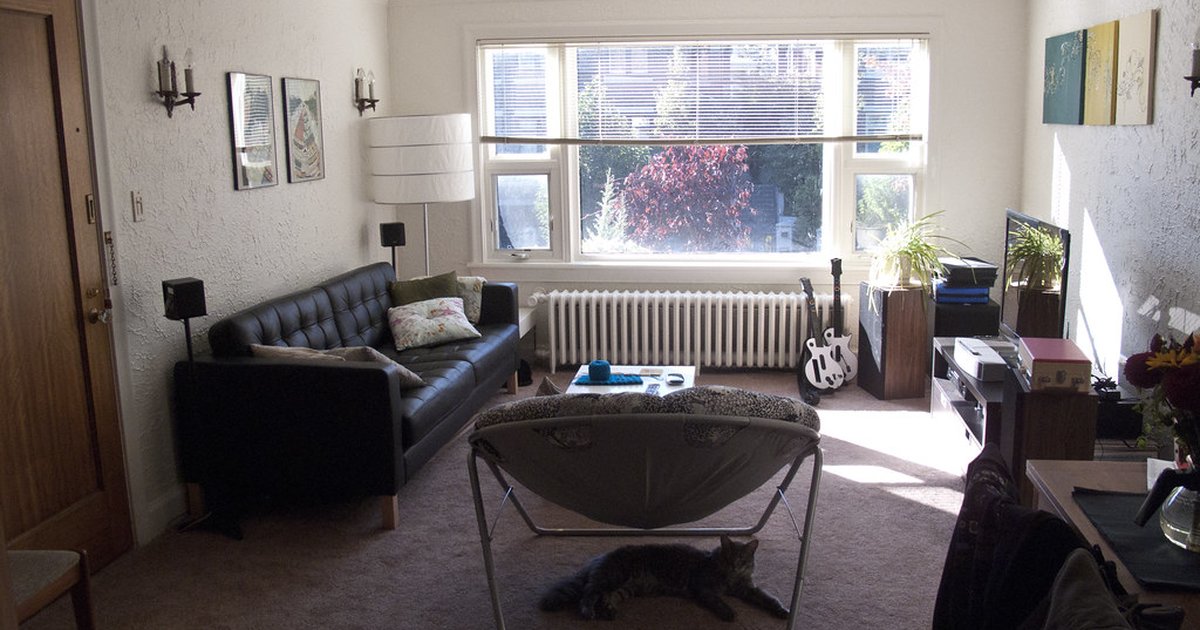
Cover photo: A furnished apartment living room. Photo: The apartment - Living room by austin.happel, CC BY-SA 2.0.