
Quick answer: Pay yourself first: the day money arrives, move a fixed share (start with 10%, aim for 20%) into an account you do not touch daily, such as a sacco, a money market fund or a locked mobile savings account. Then budget the rest with a simple plan like 50/30/20 (needs/wants/savings), track every shilling for one month, and avoid borrowing from loan apps for daily spending.
The 50/30/20 Budget, Adjusted for Kenya
| Part | Share | Examples |
|---|---|---|
| Needs | 50–70% | Rent, food, fare, school fees, power, water |
| Wants | 10–30% | Eating out, entertainment, data bundles beyond needs |
| Savings and debt repayment | 10–20% | Emergency fund, sacco, MMF, loans |
On a low income, needs may take 70% or more. Save something anyway, even KSh 500 a month; the habit matters more than the amount at the start.
Example: KSh 10,000 a Month
| Item | KSh |
|---|---|
| Savings (paid first) | 1,000 |
| Rent share / contribution at home | 3,500 |
| Food | 3,000 |
| Transport | 1,500 |
| Airtime and data | 500 |
| Personal and wants | 500 |
Illustration only; adjust to your real costs.
Where to Keep Your Savings
| Option | Good for | Read more |
|---|---|---|
| Emergency fund in a money market fund | Easy access, earns interest | money market funds |
| Sacco deposits | Long-term saving and cheaper loans | choosing a sacco |
| Chama | Discipline and group investing | starting a chama |
| Treasury bills | Larger amounts, set periods | T-bills in Kenya |
| Locked mobile savings | Stopping yourself from spending | Check your mobile money app’s savings options |
12 Ways to Cut Costs
- Cook at home and buy staples in bulk.
- Walk or share rides for short trips.
- Buy data bundles, not pay-as-you-go.
- Compare prices before big purchases.
- Avoid impulse buying on payday.
- Repair before replacing.
- Cancel subscriptions you do not use.
- Set a weekly cash limit for wants.
- Plan meals for the week.
- Use energy-saving bulbs.
- Buy second-hand for items that do not wear out.
- Wait 48 hours before any non-essential purchase above KSh 2,000.
Stay Out of Debt Traps
Borrowing for daily needs from loan apps can quickly take your whole salary. Read online loan apps in Kenya before you borrow.
Increase Income Too
Saving has limits; a side income helps. See side hustles in Kenya and start a free free Buy More Mall shop.
Track Spending for 30 Days
Download your M-Pesa statement at the end of the month and sort every payment into needs, wants and savings. Most people discover two or three "leaks": daily snacks, betting, small loans or impulse buys. Cutting one leak of KSh 100 a day saves about KSh 3,000 a month.
Example: Saving on an Irregular Income
A boda boda rider sets aside KSh 200 at the end of every working day into a separate savings account, before spending on anything else. In good weeks he adds more. After six months he has an emergency fund that covers a month of fuel and repairs, and he joins a sacco to save for his own motorbike.
Stay safe: never pay a "registration", "activation" or "withdrawal" fee to get paid, and never share your password or M-Pesa PIN. Real online income comes from people paying for your content, products or skills.
Create your free Stay Home Network account, or log in with H-MAIL on app.stayhomenetwork.com.
Frequently Asked Questions
How can I save money in Kenya on a small salary?
Move 10% to savings the day you are paid, track spending, and cut the biggest wants first.
What is the 50/30/20 rule?
Spend about 50% on needs, 30% on wants and 20% on savings and debt.
Where is the best place to save money in Kenya?
Money market funds for emergencies, saccos for long-term saving, T-bills for larger amounts.
How much should I save every month?
Start with 10% and work towards 20%.
How big should an emergency fund be?
Aim for three to six months of essential expenses.
Are loan apps good for emergencies?
Only as a last resort; their costs can trap you in debt.
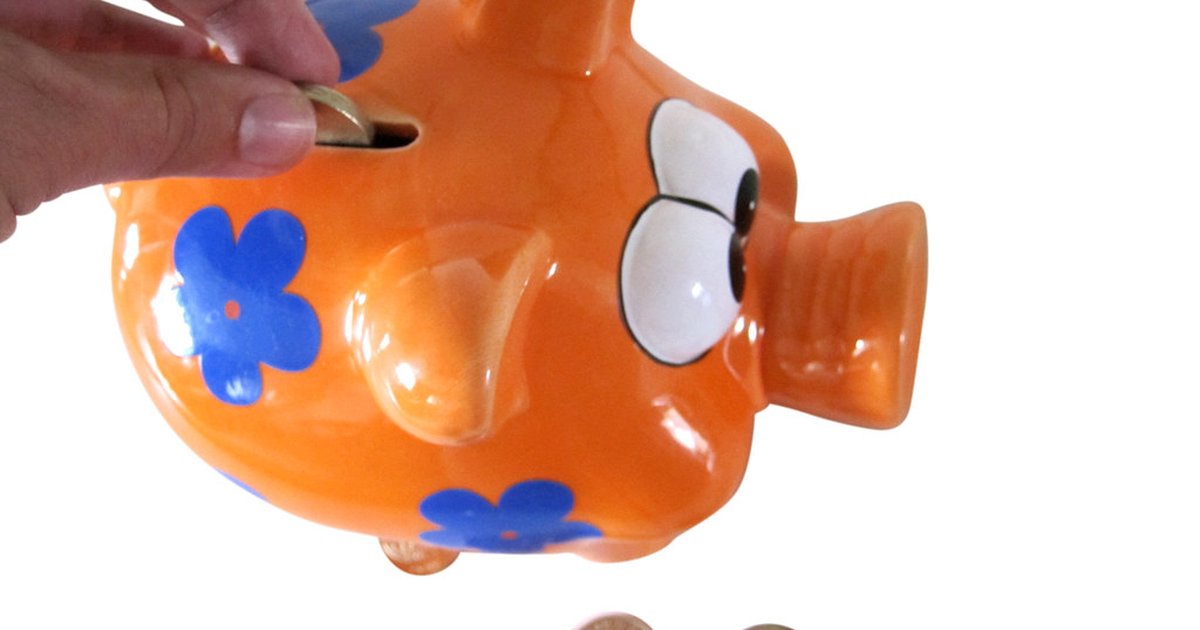
Cover photo: A hand dropping coins into a piggy bank. Photo: Piggy Bank by Images_of_Money, CC BY 2.0.