
Quick answer: Kienyeji chicken farming pays because Kenyans pay more for kienyeji eggs and meat. Start with improved kienyeji chicks from a trusted hatchery, build a dry, well-ventilated house (semi-free range works well), feed a mix of commercial feed and greens, follow a vaccination programme from your vet or agrovet (Newcastle disease is the big risk), keep records and line up buyers for eggs and birds before you scale.
Improved Kienyeji vs Local Kienyeji vs Layers
| Local kienyeji | Improved kienyeji | Commercial layers | |
|---|---|---|---|
| Growth | Slow | Faster | Bred for eggs |
| Eggs | Few | More | Most |
| Hardiness | Very hardy | Hardy | Need tight management |
| Market price | Premium | Premium | Standard |
Housing
- Raised, dry floor with litter (wood shavings).
- Good ventilation but no draughts at night.
- Enough space so birds are not crowded.
- Perches, laying boxes and secure doors against predators and thieves.
- A fenced run for semi-free-range birds.
Feeding
| Age | Feed |
|---|---|
| Chicks (0–8 weeks) | Chick mash and clean water |
| Growers | Growers mash plus greens |
| Layers | Layers mash plus greens, kitchen leftovers safely, grit and calcium |
Clean water every day matters as much as feed.
Health and Vaccination
- Ask your vet or agrovet for a vaccination schedule for your area (Newcastle, Gumboro, fowl pox and others).
- Deworm regularly.
- Keep visitors and wild birds out; disinfect footwear.
- Isolate sick birds and get advice quickly.
Selling Eggs and Birds
- Neighbours, estates and offices for eggs.
- Hotels and butcheries for birds.
- Online orders on WhatsApp and an online shop (free Buy More Mall shop).
- Use a till number (how to get a till).
Example: 100 Birds in a Backyard
A teacher starts with 100 improved kienyeji chicks, keeps strict records of feed, eggs and deaths, and sells eggs in trays to colleagues. She hatches some eggs to replace old hens and sells cockerels before festive seasons, when prices rise.
Your First 30 Days
- Week 1: build or repair the house; find a hatchery and vet.
- Week 2: buy chicks, brooder heat, feed and drinkers.
- Week 3: follow vaccination and keep records.
- Week 4: line up egg and bird buyers.
Common Mistakes to Avoid
- Buying chicks without vaccination records.
- Crowded, wet houses.
- Skipping vaccinations.
- No records of feed and deaths.
Records That Make or Break the Farm
Keep a simple daily book: birds alive, deaths and causes, feed bought and used, eggs collected, eggs sold and the price. At the end of each month, divide feed cost by trays sold to see your feed cost per tray. If it rises, check for wasted feed, sick birds or old hens that have stopped laying. Records also help when you ask a sacco or bank for a loan to expand.
Brooding Chicks
For the first weeks, chicks need warmth, light, clean litter, chick feed and fresh water. Huddling under the heat source means they are cold; spreading to the edges means it is too hot. Most losses happen in brooding, so check chicks several times a day.
Stay safe: never pay a "registration", "activation" or "withdrawal" fee to get paid, and never share your password or M-Pesa PIN. Real online income comes from people paying for your content, products or skills.
Create your free Stay Home Network account, or log in with H-MAIL on app.stayhomenetwork.com.
Frequently Asked Questions
Is kienyeji chicken farming profitable?
Yes, with good management, low losses and steady buyers for eggs and birds.
What is improved kienyeji?
Indigenous-type chickens bred to grow faster and lay more eggs than local birds while staying hardy.
How many eggs does a kienyeji hen lay?
Fewer than commercial layers; improved breeds lay more than local ones. It depends on breed and feeding.
What vaccines do kienyeji chickens need?
Commonly Newcastle, Gumboro and fowl pox; follow your vet's schedule.
How do I start kienyeji farming with little capital?
Start with a few dozen chicks, a simple house and strict records.
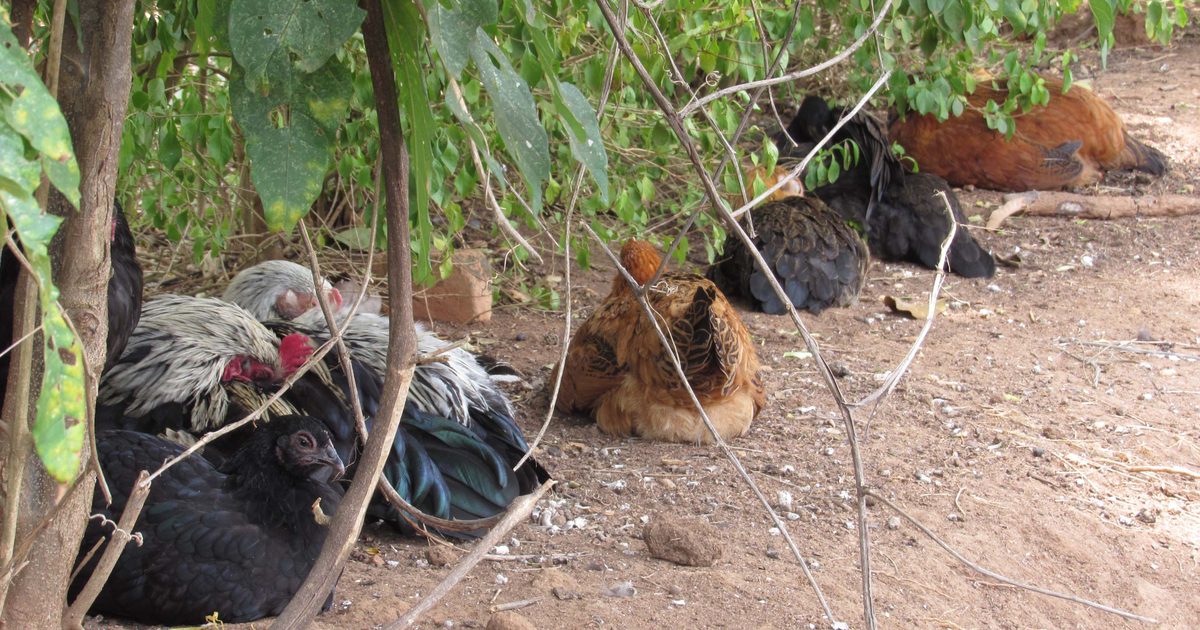
Cover photo: Free-range chickens foraging in a farmyard. Photo: Local chickens reared under free-range system taking shelter during midday scotching sun by Shafiq Kayondo, BY-SA 4.0, via Wikimedia Commons.