
Quick answer: Start small with pick-up laundry (wash by hand or with one good machine) for students, bachelors, Airbnb hosts and busy families, priced per kilo or per item. Grow into a shop with commercial washers and dryers, reliable water and power, and a clear system for tagging clothes. Regular contracts (Airbnbs, salons, gyms, clinics) give steady income.
Business Models
| Model | Start-up | Best for |
|---|---|---|
| Home-based pick-up laundry | Low | Estates, students |
| Laundry shop (wash, dry, fold) | Medium | Busy streets, apartments |
| Self-service laundromat | Higher | Dense housing, colleges |
| Contract laundry | Medium | Airbnbs, salons, gyms, clinics |
Equipment
- Washing machine(s): commercial machines last longer under daily use.
- Dryer or a covered drying area.
- Ironing boards, steam iron, hangers.
- Detergents, fabric softener, stain removers.
- Laundry bags, tags and a record book or app.
- Water storage tank and, where water is hard, treatment: see do I need a water softener?.
Pricing
Price per kilo for everyday clothes, per item for suits, duvets and curtains. Include water, power, detergent, labour and transport. Publish a simple price list and minimum order.
Systems That Prevent Losses
- Count and tag every item at pick-up; send the list to the customer on WhatsApp.
- Separate whites, colours and delicates.
- Check pockets.
- Record payment and delivery date.
Finding Customers
- Flyers and WhatsApp groups in estates and hostels.
- Offer Airbnb hosts a linen package (Airbnb guide).
- Weekly subscriptions for families.
- Take payments on a till (till guide).
Example: Student Laundry
Two students start a pick-up service in their hostel block with one washing machine, charging per kilo. They collect on Mondays and Thursdays and deliver folded clothes in labelled bags; within a term they serve three hostels and hire a helper.
Your First 30 Days
- Week 1: choose model and price list.
- Week 2: equipment and tags.
- Week 3: launch in one estate or hostel.
- Week 4: add contracts with hosts or salons.
Common Mistakes to Avoid
- No tagging system.
- Underpricing heavy items.
- Unreliable delivery times.
- Ignoring water and power costs.
Handle Stains and Complaints
Agree before washing that some stains may not come out and that delicate items are washed at the owner's risk unless you dry-clean them. Photograph damaged items at pick-up. If something is lost or damaged by you, fix it quickly and fairly; one honest refund keeps more customers than it costs.
Example: Airbnb Linen Contract
A laundry offers hosts a weekly package: pick-up of used sheets and towels, washing, ironing and return in sealed bags before the next check-in. Five hosts in one building give it steady weekly work, which pays for a second machine.
Stay safe: never pay a "registration", "activation" or "withdrawal" fee to get paid, and never share your password or M-Pesa PIN. Real online income comes from people paying for your content, products or skills.
Create your free Stay Home Network account, or log in with H-MAIL on app.stayhomenetwork.com.
Frequently Asked Questions
Is laundry business profitable in Kenya?
Yes, especially with regular clients and contracts.
How much do laundries charge per kilo in Kenya?
Prices vary by area and service; check local rates and include all your costs.
What equipment do I need?
Washing machines, drying space or dryers, irons, detergents and tags.
Can I start a laundry business from home?
Yes, as a pick-up and delivery service.
How do I get laundry customers?
Estates, hostels, Airbnb hosts, salons and gyms.
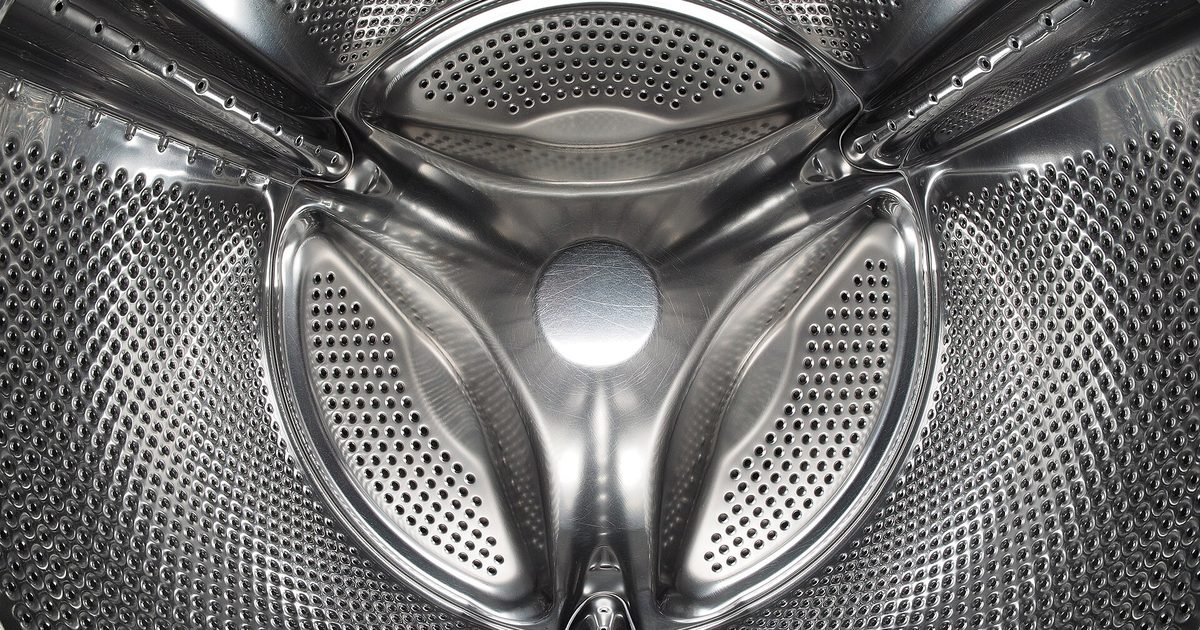
Cover photo: The steel drum of a washing machine. Photo: Drum of a washing machine (Bosch Maxx WFO 2440).jpg by Petar Milošević, CC BY-SA 4.0, via Wikimedia Commons.


