
Quick answer: A mama mboga business sells vegetables and basics households buy every day. Start in a busy spot in an estate, buy early from a wholesale market or farmers, stock fast movers (sukuma wiki, tomatoes, onions, cabbages, spinach, dhania, bananas), keep produce fresh and shaded, price per bunch or piece, take WhatsApp orders and deliveries, and add eggs, flour or cooking oil once daily sales are steady.
What You Need
- A stall or kibanda in a busy estate spot (and the county permit: guide).
- Table, shade, basins, crates and a water spray.
- Knife, chopping board, packaging bags.
- Stock money for daily buying.
- An M-Pesa till (till guide).
Where to Buy
- Wholesale markets early in the morning for the best choice.
- Farmers or farm groups directly for some produce.
- Compare a few suppliers; build relationships for credit and better prices.
Reduce Spoilage
- Buy fast movers daily and slow movers in small amounts.
- Keep produce in shade; spray leafy greens lightly.
- Sell ripe items first; make "chopped mboga" packs from slightly older stock.
- Use crates, not sacks, for tomatoes.
Pricing
Know your buying cost per bunch or piece, add transport and the share that spoils, then add your margin. Offer bundles such as "sukuma, tomato and onion" for a set price.
Grow Your Business
- Take WhatsApp orders from neighbours and deliver in the evening.
- Offer chopped, ready-to-cook vegetables for busy families.
- Add eggs, flour, cooking oil and bread.
- Supply small hotels and schools.
- Open an online shop with a free Buy More Mall shop.
Example: Evening Delivery
A mama mboga collects orders from an estate WhatsApp group by 4 p.m. and her son delivers on a bicycle after school. Chopped packs sell at a higher price per kilo; she now buys twice a week from a farmer for cabbages and bananas.
Your First 30 Days
- Week 1: choose spot, permit and suppliers.
- Week 2: start small with fast movers.
- Week 3: start WhatsApp orders.
- Week 4: add one new product line.
Common Mistakes to Avoid
- Buying too much slow stock.
- Credit sales without records.
- No shade for produce.
- Ignoring hygiene.
Keep Simple Records
Each evening write what you bought, what you sold and what spoiled. After two weeks you will see which items earn and which waste money. Many sellers find that onions, tomatoes and sukuma pay the bills while exotic items spoil; stock exotic vegetables only on order.
Stay safe: never pay a "registration", "activation" or "withdrawal" fee to get paid, and never share your password or M-Pesa PIN. Real online income comes from people paying for your content, products or skills.
Create your free Stay Home Network account, or log in with H-MAIL on app.stayhomenetwork.com.
Frequently Asked Questions
How much capital do I need for a mama mboga business?
A small stall can start with modest stock money plus a table and shade; grow as daily sales rise.
Where do mama mbogas buy vegetables?
From wholesale markets early in the morning and directly from farmers.
Is mama mboga business profitable?
Yes, with daily buyers, low spoilage and good pricing.
How do I reduce vegetable spoilage?
Buy little and often, keep produce shaded and sell older stock first.
How can I grow my mboga business?
Deliveries, chopped vegetable packs, extra grocery items and supplying hotels.
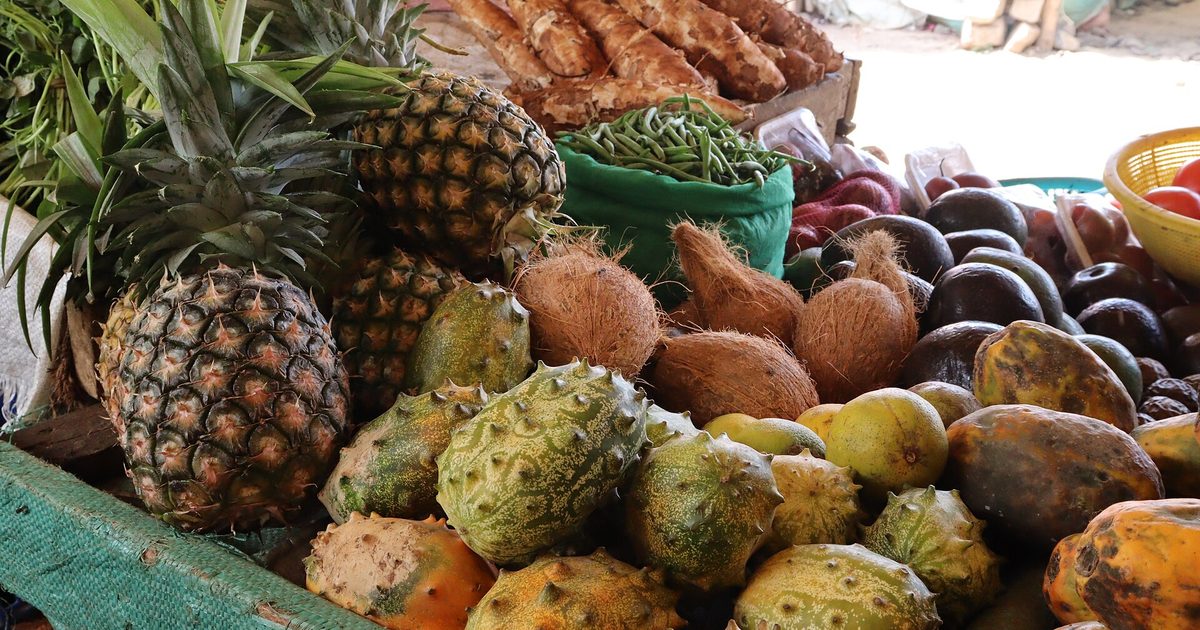
Cover photo: Fresh fruit and vegetables piled on a market stall. Photo: Market In Africa.jpg by safaritravelplus, CC0, via Wikimedia Commons.