
Quick answer: Start small with one or two products you bake very well (cakes, cupcakes, scones, mandazi or bread), using a reliable oven, scales and good hygiene. Cost every recipe so your price covers ingredients, gas or power, packaging and your time, take orders through WhatsApp and social media, and get the health and business permits your county requires before you sell widely. Grow into a shop once orders are steady.
A home bakery is one of the easiest food businesses to start in Kenya: the equipment fits in a kitchen and customers order for birthdays, weddings, offices and churches every week. The challenge is consistency and pricing for profit.
What Should You Bake First?
| Product | Why start with it | Watch out for |
|---|---|---|
| Celebration cakes | High value per order; birthdays every week | Needs decorating skill and delivery care |
| Cupcakes and muffins | Easy to sell in boxes to offices and schools | Short shelf life |
| Scones, mandazi, cookies | Low cost, daily sales to kiosks and offices | Low margin per piece; need volume |
| Bread | Daily demand | Big competition; needs volume and early mornings |
| Banana bread, cakes in loaf tins | Good for gifting and shops | Packaging and labelling |
Equipment for a Home Bakery
- Oven: a good home or small commercial oven that holds temperature (gas or electric).
- Digital kitchen scale: weigh ingredients for consistent results.
- Mixer (hand or stand), mixing bowls, measuring spoons.
- Baking tins and trays in the sizes you sell.
- Cooling racks, piping bags and nozzles, turntable for cakes.
- Clean storage containers, fridge space and packaging boxes.
Licences and Health Requirements
- A single business permit from your county (single business permit guide).
- Food handler's medical certificate and a public health inspection for food premises; requirements for home kitchens differ by county.
- If you sell packaged products to shops and supermarkets, check whether your products need KEBS certification and proper labels (ingredients, weight, dates).
- A KRA PIN and a business till for payments.
Fees, licences and rules change and differ by county. Confirm current requirements with your county office or the official body before you pay or apply.
How to Cost and Price a Cake
- List every ingredient and the amount you use (flour, sugar, eggs, butter, flavour, icing).
- Work out the cost of each amount from your shop prices.
- Add gas or electricity for baking time, the box, board and decorations.
- Add your time (hours × what your time is worth).
- Add profit, then compare with what customers in your area pay.
Example: if the ingredients, energy and box for a 1 kg cake cost you about half of your planned price, you have room for your time and profit. If they cost more than that, rethink the recipe, size or price. More: how to price products for profit.
Where to Sell
- WhatsApp status and catalogue with clear photos and prices (WhatsApp catalogue guide).
- Instagram and TikTok videos of decorating and cutting cakes.
- Offices, schools and churches: weekly orders of cupcakes and scones.
- Local kiosks and cafés for daily snacks.
- An online shop for orders and payments: free Buy More Mall shop.
Packaging and Delivery
Use clean cake boxes and boards; seal cupcakes and snacks in food-safe packaging with your name and phone number. Deliver cakes flat and cool, by car or a careful rider, and charge delivery separately.
Is a Bakery Business Profitable in Kenya?
Yes, when you price for profit and keep waste low. Cakes earn more per order; snacks earn through daily volume. Bake to order at first so you do not throw away unsold stock, and track ingredient prices because flour, sugar and butter prices change.
Your First 30 Days
- Week 1: perfect two recipes; cost them; take clear photos.
- Week 2: get your permit and health requirements in order; set up a till.
- Week 3: launch to friends, church and workmates with a small offer.
- Week 4: approach two offices or schools with a tasting box; start a customer list.
Common Mistakes to Avoid
- Guessing prices instead of costing recipes.
- Too many products at once.
- No deposit on custom cakes.
- Poor hygiene or no health certificate.
- Unlabelled packaged products sold to shops.
Related: food business from home in Kenya and how to write a business plan.
Stay safe: never pay a "registration", "activation" or "withdrawal" fee to get paid, and never share your password or M-Pesa PIN. Real online income comes from people paying for your content, products or skills.
Create your free Stay Home Network account, or log in with H-MAIL on app.stayhomenetwork.com.
Frequently Asked Questions
How do I start a small bakery business from home in Kenya?
Choose one or two products, get a reliable oven and scales, cost your recipes, sort out permits and health requirements, then sell through WhatsApp, social media, offices and kiosks.
What licences do I need for a bakery in Kenya?
Usually a county single business permit, a food handler's medical certificate and public health approval. Packaged products sold to shops may need KEBS certification. Confirm with your county.
How profitable is a bakery business in Kenya?
It can be profitable if you cost recipes properly, bake to order and keep waste low. Celebration cakes have higher margins than daily snacks.
What equipment do I need to start baking?
An oven, a digital scale, a mixer, bowls, baking tins, cooling racks, decorating tools and packaging.
How do I price my cakes?
Add ingredients, energy, packaging and your time, then add profit and compare with local prices.
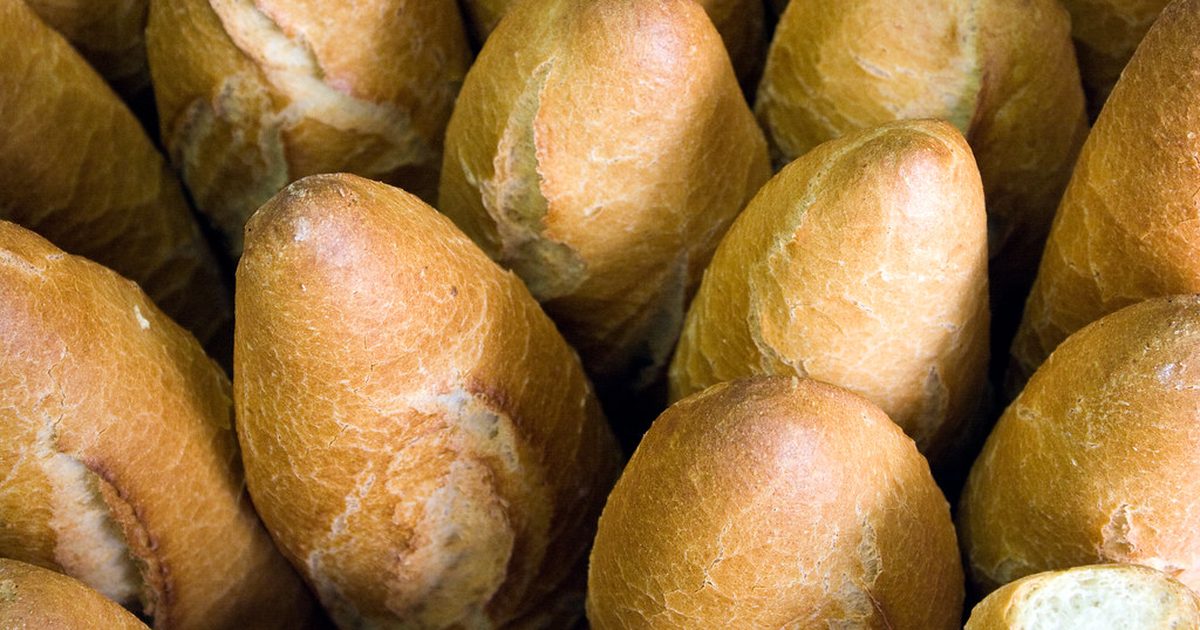
Cover photo: Freshly baked bread loaves. Real food - fresh bread by Unhindered by Talent, BY-SA 2.0, via Openverse.