
Quick answer: Start with last-mile deliveries in your town for online shops, restaurants, pharmacies and offices using one or two motorbikes with proper riders, insurance and a phone system for orders. Check the licences: county permit, vehicle and rider licences and insurance, and, if you offer courier services to the public, the requirements of the Communications Authority of Kenya. Price per trip or zone, keep proof of delivery, and win business clients with reliability.
Online shopping, food delivery and busy offices mean more parcels move around Kenyan towns every day. Many small delivery businesses grow from one rider into a fleet by being the business that always delivers on time and answers the phone.
Courier vs Delivery Business
| Model | What you do | Start with |
|---|---|---|
| Last-mile delivery (town) | Pick up from shops or restaurants and deliver to customers within the town | 1–2 motorbikes |
| Business courier | Documents and parcels for companies, scheduled routes | Motorbikes + a van later |
| Inter-town courier | Parcels between towns | Partnerships with transport operators, or vans; more licensing |
Licences and Insurance
- County single business permit (single business permit guide).
- Riders with valid driving licences for their vehicle class, and riders' safety gear.
- Vehicle insurance suited to commercial delivery use, and consider goods-in-transit cover.
- If you run courier or postal services for the public, check the licensing requirements of the Communications Authority of Kenya.
- NTSA requirements for the vehicles you use.
Fees, licences and rules change and differ by county. Confirm current requirements with your county office or the official body before you pay or apply.
Vehicles and Equipment
- Motorbikes with delivery boxes for town work (see boda boda business).
- Phones with data and a simple order tracking system (a shared sheet or delivery app).
- Waterproof bags and covers for rainy days.
- Later: a small van or pick-up for bulky parcels.
Pricing
- Use zones or distance bands with fixed prices, rather than negotiating every trip.
- Add extra for heavy, bulky or urgent deliveries and waiting time.
- Offer monthly accounts to regular business clients.
- Include fuel, rider pay, maintenance, insurance and phone costs in your prices.
Getting Business Clients
- Online shops and Instagram sellers who need daily deliveries.
- Restaurants, pharmacies, bakeries and supermarkets without their own riders.
- Offices, law firms and banks needing document delivery.
- Visit each with a simple price list and offer a free first trip.
Shops on Buy More Mall need riders too: how online shops deliver orders.
Proof of Delivery and Trust
- Record pick-up and drop-off times.
- Take a photo of the parcel at delivery or get the receiver's name and signature.
- Never open parcels; seal them if needed.
- Handle cash on delivery carefully and remit the same day.
How to Grow a Courier Business
Add riders as daily orders grow, keep clients on monthly accounts, introduce scheduled routes, and add a van for bulky goods. Track deliveries per rider per day and on-time rates; these numbers win new contracts.
Your First 30 Days
- Week 1: confirm licences and insurance; prepare price zones.
- Week 2: sign up three online sellers or restaurants.
- Week 3: set up order tracking and proof of delivery.
- Week 4: ask clients for referrals; consider a second rider.
Common Mistakes to Avoid
- No insurance.
- Prices that ignore fuel and maintenance.
- Unreliable riders and late deliveries.
- Cash-on-delivery money not remitted promptly.
- No proof of delivery.
Stay safe: never pay a "registration", "activation" or "withdrawal" fee to get paid, and never share your password or M-Pesa PIN. Real online income comes from people paying for your content, products or skills.
Create your free Stay Home Network account, or log in with H-MAIL on app.stayhomenetwork.com.
Frequently Asked Questions
How do I start a courier business in Kenya?
Start with last-mile deliveries in your town using motorbikes, get the right permits, licences and insurance, price by zone, and sign up online shops, restaurants and offices.
Do I need a licence to start a courier business in Kenya?
You need a county business permit, licensed riders and insured vehicles, and if you run courier services for the public, check the Communications Authority of Kenya requirements.
How much should I charge for deliveries?
Use fixed zone or distance prices that cover fuel, rider pay, maintenance, insurance and your margin, plus extras for bulky or urgent items.
Is a delivery business profitable in Kenya?
It can be when riders do many deliveries per day for regular business clients and costs are controlled.
How do I grow a courier business?
Add riders and monthly business accounts, run scheduled routes, add a van, and track on-time performance.
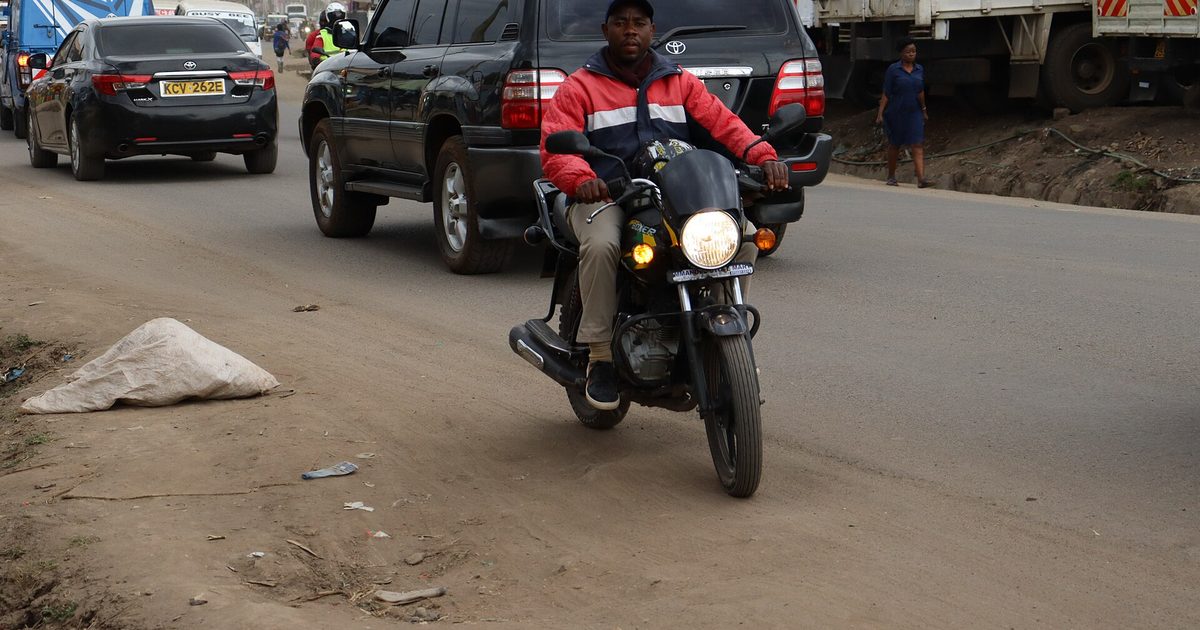
Cover photo: A boda boda rider on a Kenyan road. Boda Boda Kenya.jpg by safaritravelplus, CC0, via Wikimedia Commons.


