
Quick answer: Dairy goats suit small plots because they eat less than cows and breed fast. Start with a few healthy does of a dairy breed (such as Toggenburg, Saanen, Alpine or their crosses), a raised, slatted-floor house, good feeding (fodder, browse, concentrates and clean water), a breeding plan, and regular deworming and vet checks. Income comes from milk, breeding stock and kids.
Popular Dairy Goat Breeds
| Breed | Notes |
|---|---|
| Toggenburg | Hardy, popular in Kenya, good milk |
| Saanen | High milk, needs good feeding and shade |
| Alpine | Good milk, adapts well |
| Crosses with local goats | Hardier, lower milk; a cheaper start |
Housing
- Raised slatted floor so droppings fall through and feet stay dry.
- Dry, draught-free, well ventilated; separate pens for kids, does and the buck.
- Feeding racks to keep fodder clean.
- Clean water at all times.
Feeding
Feed fodder (napier, desmodium, lucerne), browse, hay and a dairy concentrate for milking does, plus mineral licks. Good feeding is the biggest driver of milk yield.
Breeding and Health
- Use a good dairy buck or AI; avoid inbreeding.
- Deworm and vaccinate on your vet's schedule.
- Trim hooves; check udders for mastitis.
- Keep records of kidding, milk and treatments.
Selling Goat Milk
Goat milk sells to families, health-conscious buyers and people who prefer it to cow milk. Handle it hygienically and chill it fast; for bigger volumes, see milk chillers and processing equipment.
Figures here are rough planning guides from common Kenyan practice. Yields and prices vary by area, season and management: talk to your local agriculture, livestock or fisheries extension officer before investing.
Your First 30 Days
- Week 1: visit dairy goat farmers; plan housing and fodder.
- Week 2: build the house; plant fodder.
- Week 3: buy healthy, vet-checked does.
- Week 4: set feeding and health routines; find milk buyers.
Common Mistakes to Avoid
- Buying unchecked animals.
- Earth floors that stay wet.
- Poor feeding, then blaming the breed.
- No records.
Worked Example: Four Does on a Quarter Acre
A farmer in Nyeri starts with four Toggenburg-cross does and plants napier and desmodium on part of a quarter-acre plot. She builds a raised house with a slatted floor from local timber, buys a dairy concentrate for milking does and keeps a simple notebook of milk per goat per day. She sells milk to neighbours and a health shop, and sells young does to new farmers, which pays more than the milk in her second year.
Starter Checklist
| Item | Why |
|---|---|
| Healthy dairy does (vet-checked) | Start with good genetics |
| Access to a quality buck or AI | Better kids and milk |
| Raised slatted house | Dry feet, clean animals |
| Fodder plot and hay store | Feed is the biggest cost |
| Dewormers, hoof trimmers, record book | Health and decisions |
Ways to Grow
- Sell registered breeding stock.
- Make yoghurt or goat milk soap for higher value.
- Join a dairy goat association for buyers and training.
Stay safe: never pay a "registration", "activation" or "withdrawal" fee to get paid, and never share your password or M-Pesa PIN. Real online income comes from people paying for your content, products or skills.
Create your free Stay Home Network account, or log in with H-MAIL on app.stayhomenetwork.com.
Frequently Asked Questions
Is dairy goat farming profitable in Kenya?
It can be with good breeds, feeding and a market for milk and breeding stock.
Which dairy goat breed is best in Kenya?
Toggenburg, Saanen and Alpine are popular; crosses are hardier but give less milk.
How much milk does a dairy goat produce?
It varies widely with breed and feeding; well-fed dairy goats give much more than local goats.
What do dairy goats eat?
Fodder, browse, hay, concentrates for milkers, minerals and clean water.
How do I house dairy goats?
In a raised, slatted-floor, dry and ventilated house with separate pens.
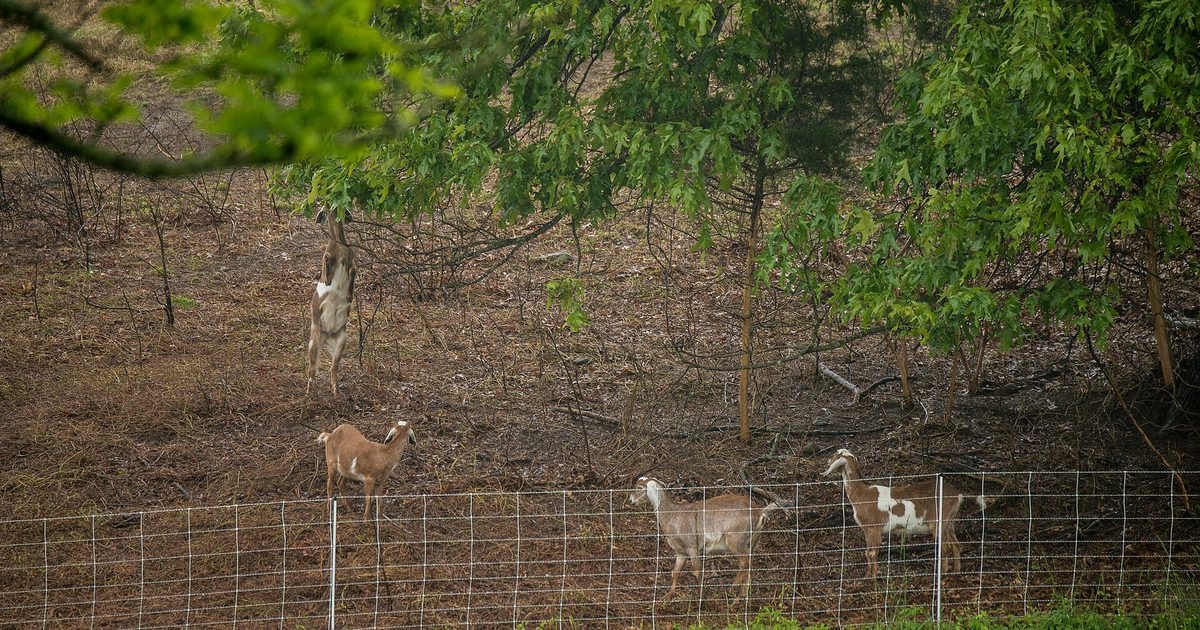
Cover photo: Goats grazing behind a wire fence. Photo: 20160521-RD-LSC-0995 (27716478465).jpg by U.S. Department of Agriculture, Public domain, via Wikimedia Commons.