
Quick answer: A cereals business buys grains and pulses (maize, beans, rice, green grams, peas) in bulk and sells by the kilo or bag. You need capital for stock, a dry, secure store, accurate verified scales, a county permit, and good suppliers (farmers at harvest, markets, wholesalers). Profit comes from buying well at harvest, storing safely and selling steadily.
Capital Needed
Most money goes into stock. Add rent, shelves and pallets, scales, bags and packaging, and a permit. Start with fast-moving items (maize, beans, rice) and add others as you learn demand.
Where to Buy
- Farmers directly at harvest (best prices, check quality).
- Wholesale markets and cereal traders.
- Millers and importers for rice and some pulses.
Storage: Stop Weevils and Aflatoxin
- Buy only dry grain; reject mouldy or discoloured lots.
- Store on pallets off the floor and away from walls.
- Use hermetic bags or approved storage protectants following the label.
- Keep the store dry, cool and clean; check stock weekly.
- First in, first out.
Aflatoxin-contaminated grain is dangerous to health; never sell mouldy grain.
Scales and Pricing
Use scales verified by the county weights and measures office. Price per kilo with a clear margin over your buying and storage costs, and watch market prices weekly.
Fees, licences and rules change. Always confirm current requirements with the official body (county, NTSA, EPRA, KEBS, Safaricom or your local agriculture/veterinary officer) before you pay or apply.
Your First 30 Days
- Week 1: study prices in your area; find suppliers.
- Week 2: set up the store, pallets and verified scales.
- Week 3: buy first stock; start selling.
- Week 4: track which grains sell fastest; plan harvest buying.
Common Mistakes to Avoid
- Buying wet grain.
- Storing on the floor.
- Uncalibrated scales.
- Too many slow items at once.
Worked Example: Buying at Harvest
Mutua runs a cereals shop in a market town. At harvest he buys dry beans and maize from farmers he trusts, checks moisture by hand and rejects mouldy bags, and stores everything on pallets in hermetic bags. Prices rise steadily over the following months, and his careful storage means he sells good-quality grain when others have run out or have weevil damage.
Quality Checklist When Buying
- Grain is dry and hard, not soft or warm.
- No mould, discoloured or shrivelled grains.
- No live insects or holes.
- No stones or chaff added to the weight.
- Weigh on your own verified scale.
Ways to Grow
- Supply schools, hotels and boarding institutions.
- Pack branded 1–2 kg bags for supermarkets (check KEBS labelling).
- Add flour, sugar and cooking oil for one-stop shopping.
Stay safe: never pay a "registration", "activation" or "withdrawal" fee to get paid, and never share your password or M-Pesa PIN. Real online income comes from people paying for your content, products or skills.
Create your free Stay Home Network account, or log in with H-MAIL on app.stayhomenetwork.com.
Frequently Asked Questions
How much do I need to start a cereals business in Kenya?
Mainly stock capital, plus rent, scales, pallets and a permit; start small with fast-moving grains.
Is cereals business profitable in Kenya?
Yes when you buy well at harvest, store safely and sell steadily.
How do I prevent weevils in stored cereals?
Store dry grain on pallets in hermetic bags or with approved protectants, and check weekly.
Where do cereal traders buy?
From farmers at harvest, wholesale markets, traders and millers.
Do I need a permit to sell cereals?
Yes, a county business permit, and verified scales.
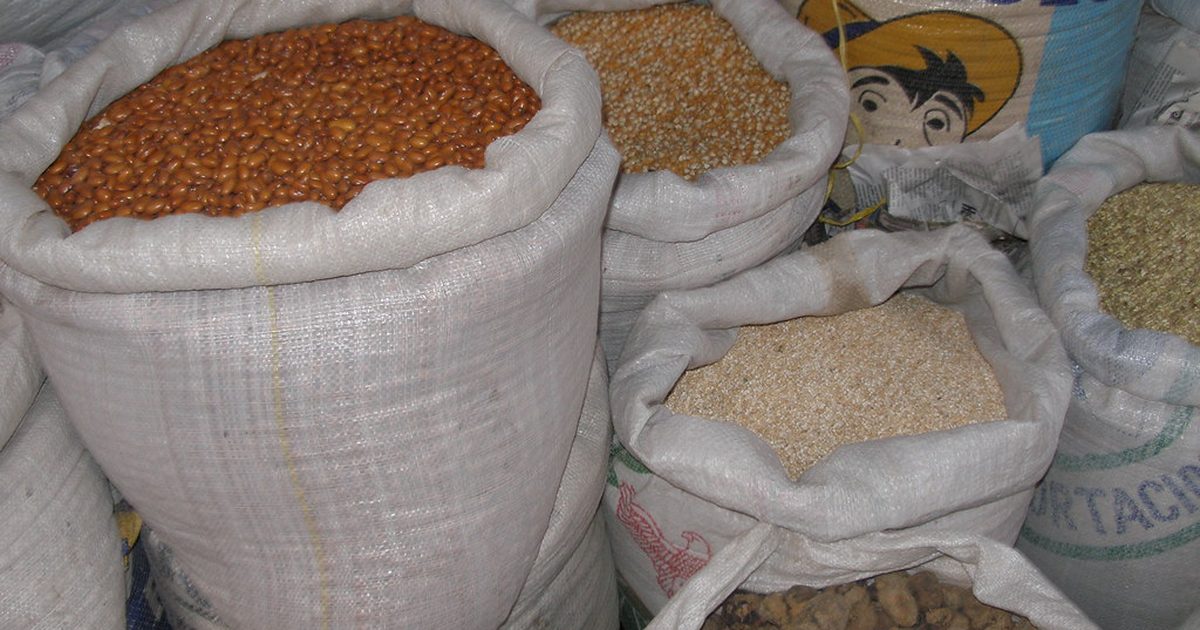
Cover photo: Open sacks of beans and grains at a market. Photo: Peruvian market goods by quinet, BY 2.0, via Openverse.