
Quick answer: To start a small restaurant: pick a busy location with lunch-time traffic, get the county business permit, food hygiene licence and public health certificate, medical certificates for food handlers and fire clearance, set up a clean kitchen with the right equipment, keep a short menu you can cost and cook consistently, and win regulars with fair prices and fast service.
Licences and Permits
- Single business permit (permit guide).
- Food hygiene licence and public health certificate after inspection.
- Medical certificates for all food handlers.
- Fire safety clearance where required.
- Separate licences if you will sell alcohol.
Fees, licences and rules change. Always confirm current requirements with the official body (county, NTSA, EPRA, KEBS, Safaricom or your local agriculture/veterinary officer) before you pay or apply.
Kitchen Equipment
- Gas cookers and ovens sized to your menu.
- Stainless steel tables, sinks and shelves.
- Fridge and freezer.
- Pots, pans, utensils, food containers.
- Fire extinguisher and fire blanket.
Plan the layout and equipment with commercial kitchen equipment suppliers; a good layout saves time at lunch rush.
Menu Costing
Cost every dish: ingredients per plate + gas + packaging + a share of rent and wages. A short menu of dishes that sell daily (for example chapati, rice, beans, stew, ugali and greens) cuts waste.
Getting Customers
- Lunch deals for offices and workers.
- Deliveries and phone orders.
- Consistent taste and portion sizes.
- Clean premises: customers notice.
Starting smaller from home first? See food business from home.
Your First 30 Days
- Week 1: choose location; check foot traffic at lunch.
- Week 2: register; apply for permits and inspections.
- Week 3: set up kitchen; test the menu with friends.
- Week 4: open with a short menu; track daily sales and waste.
Common Mistakes to Avoid
- A long menu that wastes food.
- Opening before inspections.
- Not costing dishes.
- Slow service at lunch.
Worked Example: A Lunch Kibanda Near Offices
Atieno opens a small eatery near a business park with a menu of six dishes. She costs every plate, buys vegetables daily and meat twice a week, and prepares the most popular dishes before noon so service is fast. She takes orders on WhatsApp from nearby offices and delivers by boda. Within two months most of her lunch sales are regular customers.
Simple Dish Costing Table
| Item | Example: one plate of rice and beans |
|---|---|
| Rice | Cost per portion |
| Beans and stew | Cost per portion |
| Gas | Share per plate |
| Packaging | For take-away |
| Overheads | Rent and wages share |
| Price | Cost plus your margin |
Ways to Grow
- Office lunch subscriptions.
- Outside catering for events.
- A second outlet once systems work.
Stay safe: never pay a "registration", "activation" or "withdrawal" fee to get paid, and never share your password or M-Pesa PIN. Real online income comes from people paying for your content, products or skills.
Create your free Stay Home Network account, or log in with H-MAIL on app.stayhomenetwork.com.
Frequently Asked Questions
How much do I need to start a small restaurant in Kenya?
It depends on rent, equipment and renovation; a small kibanda costs far less than a sit-down restaurant.
What licences does a restaurant need in Kenya?
County permit, food hygiene licence, public health certificate, food handlers' medical certificates and fire clearance.
How do I cost a menu?
Add ingredients, gas and packaging per plate plus a share of fixed costs, then set a price with margin.
Is restaurant business profitable in Kenya?
It can be with a good location, a short costed menu, low waste and regular customers.
What equipment do I need for a small restaurant?
Cookers, stainless tables and sinks, fridge and freezer, utensils and fire safety equipment.
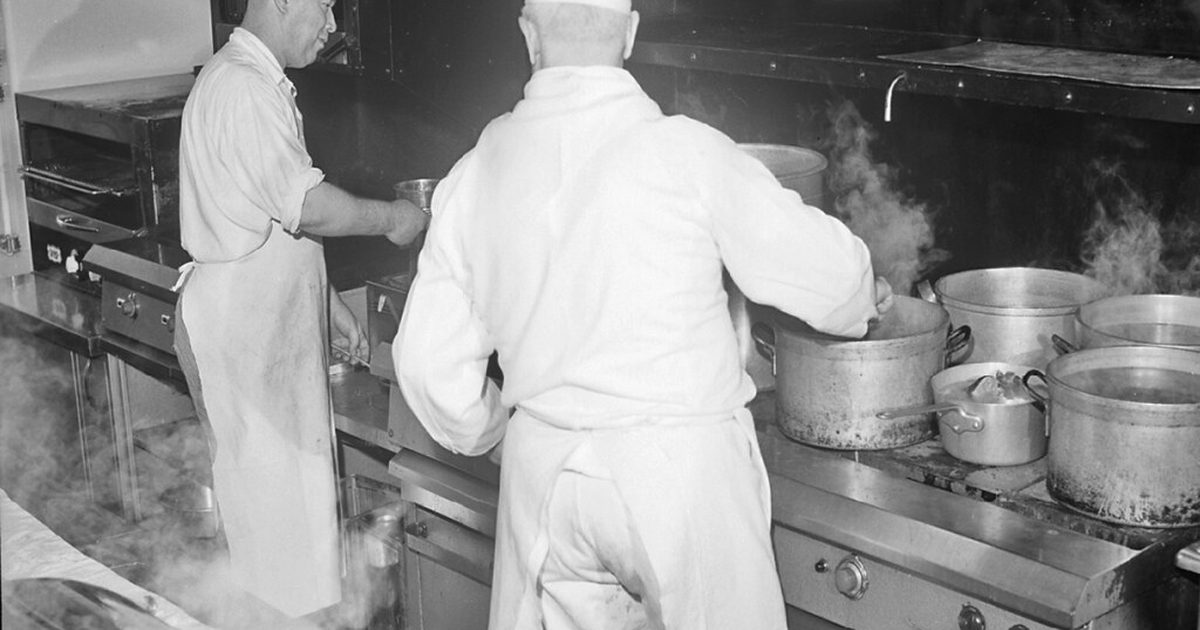
Cover photo: Cooks at large pots in a restaurant kitchen. Photo: Cooks in Italian Village Restaurant kitchen, 1959 by Seattle Municipal Archives, BY 2.0, via Openverse.