
Quick answer: Most small gas businesses are LPG retail shops that sell and exchange branded cylinders and accessories. You need a registered business, a county permit, an EPRA licence for LPG retail, safe storage (ventilated cage, fire extinguishers), and capital for cylinders and refills. Refilling cylinders is only allowed at licensed refilling plants; refilling at a shop is illegal and dangerous.
Retail Shop vs Refilling Plant
| Retail shop | Refilling plant | |
|---|---|---|
| What you do | Sell and exchange filled branded cylinders, accessories | Fill cylinders from bulk storage |
| Licence | EPRA LPG retail licence plus county permit | EPRA licence for refilling, plant approvals |
| Capital | Cylinders and stock | Very high: tanks, equipment, safety systems |
Fees, licences and rules change. Always confirm current requirements with the official body (county, NTSA, EPRA, KEBS, Safaricom or your local agriculture/veterinary officer) before you pay or apply.
Capital and Stock
Capital goes into cylinders (6 kg and 13 kg sell most), refills from distributors, accessories (regulators, hoses, burners, grills) and the storage cage. Stock the brands your area asks for.
Safety Rules
- Store cylinders upright in a ventilated cage, away from sun and fire.
- Fire extinguishers and "no smoking" signs.
- Check cylinders for leaks and damage when receiving.
- Never refill or decant gas between cylinders.
- Sell matching regulators and hoses; replace old hoses.
How Gas Dealers Make Money
A margin on each refill exchange, sale of new cylinders, accessories and delivery charges. Fast delivery by boda wins loyal households and restaurants.
Your First 30 Days
- Week 1: register; check EPRA and county requirements.
- Week 2: secure premises and a storage cage.
- Week 3: apply for licences; agree supply with distributors.
- Week 4: open; offer delivery to estates and eateries.
Common Mistakes to Avoid
- Refilling at the shop.
- No ventilation or extinguishers.
- Stocking unpopular brands.
- Ignoring leaking cylinders.
Worked Example: A Gas Shop With Delivery
Kamau opens a licensed LPG retail shop in a growing estate with 6 kg and 13 kg cylinders of the brands his neighbours use, and a ventilated cage outside. He hires a boda rider for deliveries and keeps a phone list of regular households and two restaurants that order weekly. Accessories like regulators and burners add steady extra sales.
Safety Checklist
- Ventilated, lockable cylinder cage outside the shop.
- Fire extinguishers checked and in date.
- "No smoking, no naked flames" signs.
- Leak test with soapy water, never a flame.
- Damaged or leaking cylinders returned to the distributor.
Ways to Grow
- Restaurant and institution supply.
- Cooker and burner sales and installation.
- Additional outlets with the same licence conditions.
Stay safe: never pay a "registration", "activation" or "withdrawal" fee to get paid, and never share your password or M-Pesa PIN. Real online income comes from people paying for your content, products or skills.
Create your free Stay Home Network account, or log in with H-MAIL on app.stayhomenetwork.com.
Frequently Asked Questions
How much do I need to start a gas business in Kenya?
Capital for cylinders, refills, accessories and a storage cage, plus licences; start with the brands and sizes your area buys.
Do I need an EPRA licence to sell gas?
Yes, LPG retail requires an EPRA licence plus a county permit; confirm current requirements with EPRA.
Can I refill gas cylinders in my shop?
No. Refilling is only allowed at licensed refilling plants.
Is gas business profitable in Kenya?
It can be with steady demand, safe operations and delivery service.
Which cylinder sizes sell most?
Household 6 kg and 13 kg cylinders are the most common.
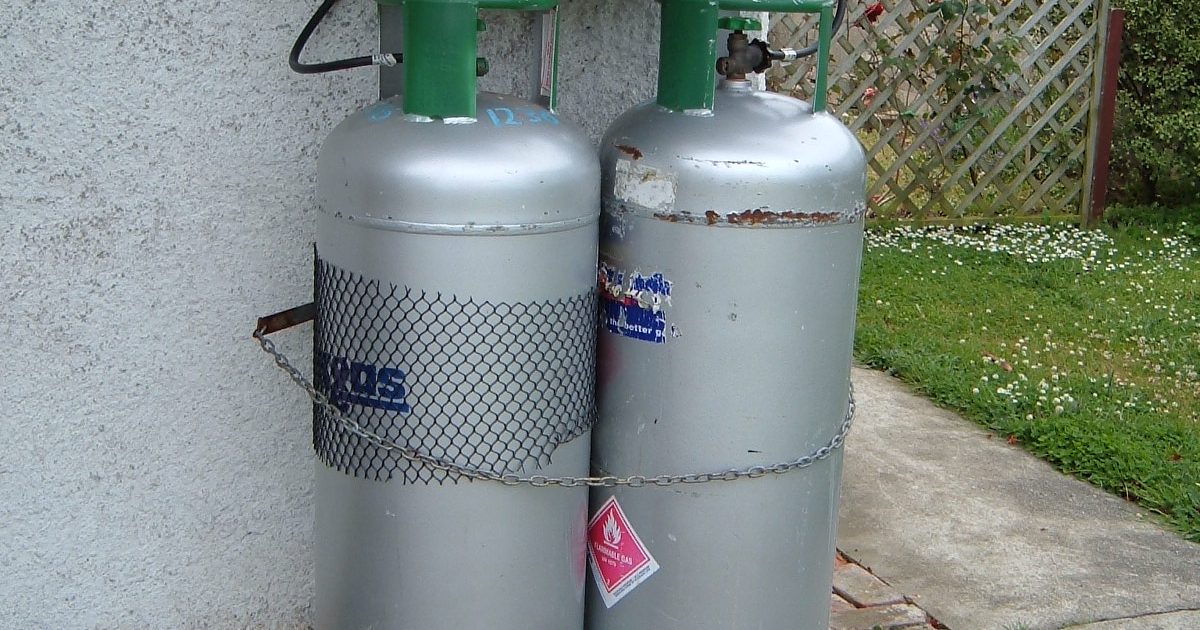
Cover photo: LPG gas cylinders installed outside a building. Photo: LPG cylinders by Evil Monkey, BY 2.5, via Wikimedia Commons.