
Quick answer: Broilers are meat chickens raised in about 5–6 weeks to market weight. Success needs a clean, ventilated house with litter, a warm brooder for the first weeks, quality day-old chicks, a starter then finisher feed programme, clean water, vaccination as your vet advises, and buyers lined up before the birds are ready.
Housing and Brooding
- Dry, well-ventilated house with wood shavings litter.
- Brooder warmth for the first two weeks (heat lamps, charcoal brooders used safely).
- Enough space so birds do not crowd.
- Feeders and drinkers at the right height.
- Footbath and visitor rules to keep disease out.
Feeding Programme
Use broiler starter for the first weeks, then finisher, with clean water always available. Feed is the biggest cost: buy from reliable millers and store it dry.
Vaccination and Health
Follow a vaccination schedule from your vet or hatchery (commonly including Newcastle and Gumboro). Remove dead birds quickly, keep litter dry, and record mortality daily.
Figures here are rough planning guides from common Kenyan practice. Yields and prices vary by area, season and management: talk to your local agriculture, livestock or fisheries extension officer before investing.
Selling
Line up buyers before stocking: hotels, butcheries, schools and households. Selling on time matters: birds kept too long eat feed without enough extra gain. Compare with kienyeji chicken farming for a slower, premium market.
Your First 30 Days
- Week 1: prepare the house and brooder; find chick supplier.
- Week 2: receive chicks; brood carefully.
- Weeks 3–5: feed, vaccinate, record weights.
- Week 6: sell to pre-arranged buyers; clean and rest the house.
Common Mistakes to Avoid
- No buyers lined up.
- Cold chicks in the first week.
- Wet litter.
- Skipping vaccinations.
Worked Example: A 300-Bird Batch
Mwangi converts a store into a broiler house, adds wood shavings and a brooder, and buys 300 day-old chicks from a reputable hatchery after agreeing a price with two hotels. He keeps chicks warm in the first week, follows his vet's vaccination schedule and weighs a sample of birds weekly. Losses stay low and he sells the batch at about six weeks, then cleans the house and rests it before the next batch.
Batch Record Sheet
| Record | Why |
|---|---|
| Chicks received and date | Track age |
| Daily deaths | Spot disease early |
| Feed used | Feed is the biggest cost |
| Vaccinations given | Stay on schedule |
| Weekly sample weight | Know when to sell |
| Sales and price | Calculate profit |
Ways to Grow
- Stagger batches so you have birds to sell every week.
- Slaughter and pack dressed chicken with the right licences.
- Sell litter as manure.
Stay safe: never pay a "registration", "activation" or "withdrawal" fee to get paid, and never share your password or M-Pesa PIN. Real online income comes from people paying for your content, products or skills.
Create your free Stay Home Network account, or log in with H-MAIL on app.stayhomenetwork.com.
Frequently Asked Questions
How long do broilers take to mature?
About 5–6 weeks to common market weight with good feeding.
Is broiler farming profitable in Kenya?
It can be with low mortality, good feed conversion and buyers ready at harvest.
What do broilers eat?
Broiler starter then finisher feed, with clean water at all times.
Which vaccines do broilers need?
Follow your vet's schedule, commonly including Newcastle and Gumboro.
Where can I sell broilers?
Hotels, butcheries, schools, supermarkets and households.
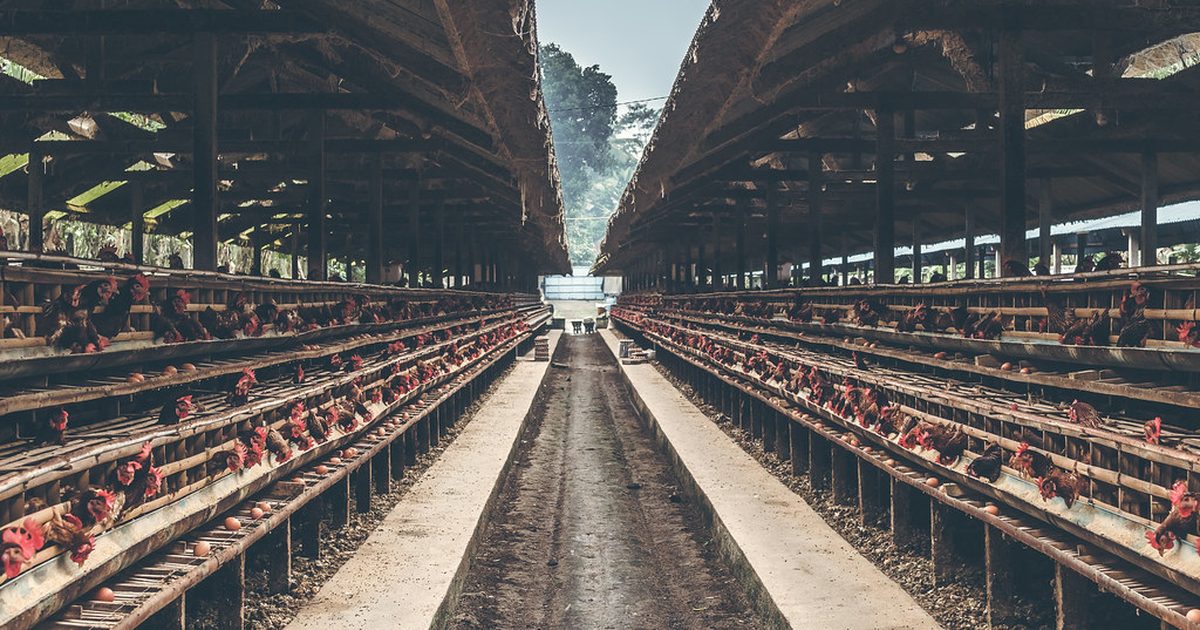
Cover photo: Rows of chickens in a large poultry house. Photo: Chickens in the cage on chicken farm. Chicken eggs farm. by Artem Beliaikin, CC0 1.0, via Openverse.


