
Quick answer: Most Kenyan fish farmers grow tilapia or African catfish in earthen or lined ponds. You need a site with reliable water, a well-built pond, quality fingerlings from a certified hatchery, good fish feed, regular water quality checks, and a market. Tilapia are commonly harvested after several months; catfish grow fast and tolerate lower water quality.
Tilapia vs Catfish
| Tilapia | African catfish | |
|---|---|---|
| Market | Very popular table fish | Popular in some regions; also bait for fishermen |
| Water needs | Better water quality | Tolerates poorer water |
| Breeding | Breeds in ponds (use mono-sex fingerlings) | Bred in hatcheries |
Pond Construction
- Earthen ponds on clay soil, or lined ponds where soil leaks.
- Inlet and outlet for water exchange; fence against predators.
- Fertilise the pond as advised so natural food grows.
Stocking and Feeding
Buy fingerlings from a certified hatchery, stock at the density your extension officer recommends, and feed quality fish feed in small amounts several times a day. Overfeeding fouls the water.
Water Quality
Watch fish behaviour: gasping at the surface early in the morning means low oxygen. Change some water and reduce feeding. Water testing helps (see fish farming water quality).
Figures here are rough planning guides from common Kenyan practice. Yields and prices vary by area, season and management: talk to your local agriculture, livestock or fisheries extension officer before investing.
County fisheries officers advise on pond siting, fingerling sources and markets.
Your First 30 Days
- Month 1: choose site; build or line the pond.
- Month 2: fill, fertilise, stock certified fingerlings.
- Months 3–6: feed, sample growth, manage water.
- Harvest: sell to hotels, markets and households.
Common Mistakes to Avoid
- Uncertified fingerlings.
- Overfeeding.
- No predator fence.
- No market plan before harvest.
Worked Example: One Lined Pond
A farmer in Kakamega digs a lined pond, fences it against birds and monitors, and stocks mono-sex tilapia fingerlings from a certified hatchery. He feeds small amounts several times a day, samples growth monthly and changes some water when fish gasp early in the morning. At harvest he sells to local hotels and households who order in advance.
Pond Management Checklist
- Feed little and often; remove uneaten feed.
- Watch fish in the early morning for low oxygen.
- Keep inlet screens clean.
- Sample and weigh fish monthly.
- Keep records of stocking, feed and harvest.
Ways to Grow
- Add ponds and stagger stocking for regular harvests.
- Sell fingerlings if you become a certified hatchery.
- Value addition: smoked or dried fish.
Stay safe: never pay a "registration", "activation" or "withdrawal" fee to get paid, and never share your password or M-Pesa PIN. Real online income comes from people paying for your content, products or skills.
Create your free Stay Home Network account, or log in with H-MAIL on app.stayhomenetwork.com.
Frequently Asked Questions
Is fish farming profitable in Kenya?
It can be with good fingerlings, feed management, water quality and a ready market.
Which fish is best to farm in Kenya?
Tilapia is the most popular; catfish grows fast and tolerates poorer water.
How long does tilapia take to mature?
Several months, depending on feed, temperature and stocking density.
Where do I get fingerlings?
From certified hatcheries; your county fisheries officer can advise.
How do I build a fish pond?
On clay soil or with a liner, with inlet and outlet, a predator fence and proper fertilising.
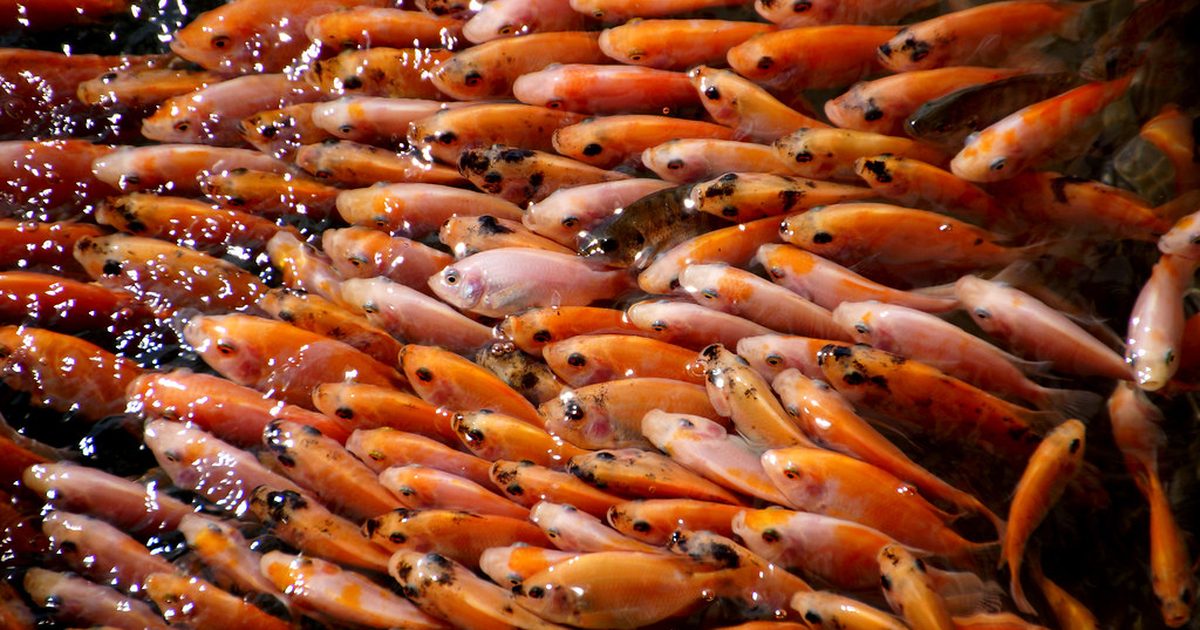
Cover photo: A dense group of farmed fish. Photo: Lots of Tilapia Fish by aqua.mech, BY 2.0, via Openverse.


