
Quick answer: Pig farming can be profitable because pigs grow fast and sows have large litters. Start with healthy stock of commercial breeds (such as Large White, Landrace or crosses), a clean, dry pen with good drainage, a feeding programme by age, strict biosecurity against diseases like African swine fever, and sales to licensed slaughterhouses and butcheries.
Breeds
| Breed | Notes |
|---|---|
| Large White | Good mothers, fast growth |
| Landrace | Long body, good for bacon |
| Duroc and crosses | Hardy, good meat |
Housing
- Concrete floors that slope to a drain.
- Separate pens for sows, piglets and growers.
- Shade, ventilation and clean water.
- A fence and footbath: keep visitors and other pigs out.
Feeding
Feed by stage: creep feed for piglets, then weaner, grower and finisher feeds. Feed is the main cost; some farmers mix their own rations with advice from a livestock officer.
Biosecurity: African Swine Fever
African swine fever has no cure or vaccine and can wipe out a farm. Never feed untreated kitchen waste, restrict visitors, buy pigs only from healthy sources, and report sudden deaths to a veterinary officer immediately.
Figures here are rough planning guides from common Kenyan practice. Yields and prices vary by area, season and management: talk to your local agriculture, livestock or fisheries extension officer before investing.
Selling
Sell finished pigs to licensed slaughterhouses, butcheries and pork joints. Agree prices per kg live weight and plan farrowing so you have pigs to sell regularly.
Your First 30 Days
- Month 1: build pens; plan feed supply.
- Month 2: buy healthy breeding stock from a trusted farm.
- Months 3–6: breed, farrow, wean, record growth.
- Ongoing: sell finished pigs; keep strict biosecurity.
Common Mistakes to Avoid
- Feeding untreated swill.
- Buying pigs of unknown health.
- Wet, dirty pens.
- No records.
Worked Example: Three Sows and a Plan
A farmer near Thika starts with three healthy Large White cross sows from a trusted breeder and uses a neighbour's boar under a written agreement. Pens slope to a drain, visitors use a footbath, and no untreated kitchen waste is fed. Piglets are weaned, grown on, and sold to a licensed slaughterhouse at agreed weights, with farrowing planned so he has pigs to sell regularly.
Biosecurity Checklist
- Footbath and protective boots at the entrance.
- No visitors in pens, no other pig keepers.
- No untreated swill or kitchen waste.
- New pigs quarantined before joining the herd.
- Report sudden deaths to a veterinary officer immediately.
Ways to Grow
- Sell weaners to other farmers.
- Keep your own boar or use AI.
- Biogas from manure to cut energy costs.
Stay safe: never pay a "registration", "activation" or "withdrawal" fee to get paid, and never share your password or M-Pesa PIN. Real online income comes from people paying for your content, products or skills.
Create your free Stay Home Network account, or log in with H-MAIL on app.stayhomenetwork.com.
Frequently Asked Questions
Is pig farming profitable in Kenya?
It can be with good breeds, feed management, strict biosecurity and reliable buyers.
How do I start pig farming in Kenya?
Build clean pens, buy healthy stock, plan feeding by stage and line up licensed buyers.
Which pig breed is best in Kenya?
Large White, Landrace and their crosses are common commercial choices.
How do I protect pigs from African swine fever?
Strict biosecurity: no untreated swill, restricted visitors, healthy sources and prompt reporting of deaths.
Where can I sell pigs?
Licensed slaughterhouses, butcheries and pork joints.
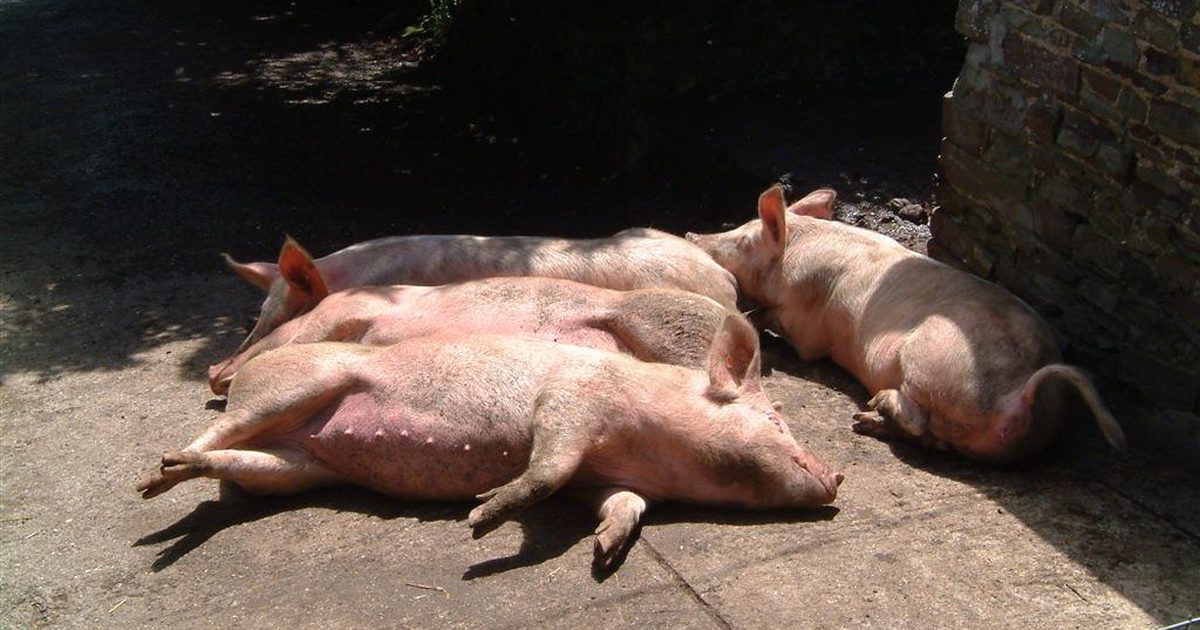
Cover photo: Pigs resting in a pen. Photo: Pigging it. by Elsie esq., BY 2.0, via Openverse.


