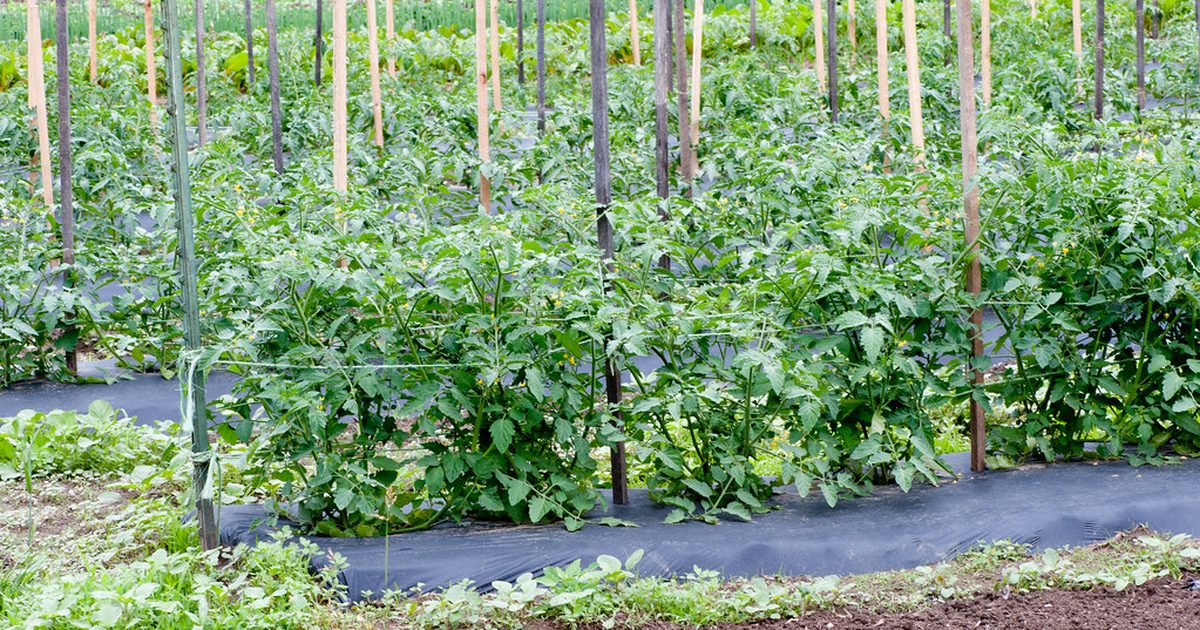

Quick answer: Tomatoes pay well when prices are high but are risky. Choose open field (lower cost, more weather and pest risk) or a greenhouse (higher cost, steadier yields). Use quality hybrid seed, raise seedlings in a nursery, transplant with good spacing, stake and prune, irrigate with drip, and manage Tuta absoluta and blight early. Harvest usually starts a couple of months after transplanting and continues for weeks.
Open Field vs Greenhouse
| Open field | Greenhouse | |
|---|---|---|
| Cost | Lower | High (structure, drip, seed) |
| Risk | Rain, disease, pests | Controlled, but pests can spread fast inside |
| Yield | Lower per area | Higher per area with good management |
From Nursery to Harvest
- Raise seedlings in a nursery or buy from a reputable propagator.
- Prepare land with manure; test soil if you can.
- Transplant healthy seedlings at recommended spacing.
- Stake or trellis, and prune indeterminate varieties.
- Irrigate with drip; feed with balanced fertiliser.
- Scout for pests and disease twice a week.
- Harvest when fruits colour; sort and pack carefully.
Pests and Diseases
Tuta absoluta (tomato leaf miner) and late blight cause big losses. Use pheromone traps, remove infected leaves, rotate crops, and use only approved products at label rates with advice from an agronomist.
Figures here are rough planning guides from common Kenyan practice. Yields and prices vary by area, season and management: talk to your local agriculture, livestock or fisheries extension officer before investing.
Selling
Time your planting so harvest avoids the season when everyone floods the market. Sell to markets, supermarkets, hotels and brokers you trust, and grade your fruit.
Your First 30 Days
- Month 1: plan the season; prepare land and nursery.
- Month 2: transplant, stake, start drip.
- Months 3–4: manage pests, feed, prune.
- Months 4–6: harvest, grade, sell.
Common Mistakes to Avoid
- Planting when everyone else does.
- Late pest control.
- Overhead watering that spreads blight.
- No market plan.
Worked Example: An Eighth of an Acre Under Drip
Wekesa plants hybrid tomatoes on an eighth of an acre with drip irrigation, staking every plant and pruning weekly. He places pheromone traps for Tuta absoluta at transplanting and scouts twice a week, removing infected leaves early. He plans planting so harvest comes when market supply is lower, and sells graded crates to a supermarket buyer and local traders.
Scouting Checklist (Twice a Week)
- Count moths in pheromone traps.
- Check leaves for Tuta mines and blight spots.
- Look for wilting plants and remove them.
- Check drip lines for blocks and leaks.
- Record what you see and what you sprayed.
Ways to Grow
- Add a greenhouse once open-field skills are proven.
- Stagger plantings for longer sales.
- Value addition: tomato sauce or dried tomatoes with the right approvals.
Stay safe: never pay a "registration", "activation" or "withdrawal" fee to get paid, and never share your password or M-Pesa PIN. Real online income comes from people paying for your content, products or skills.
Create your free Stay Home Network account, or log in with H-MAIL on app.stayhomenetwork.com.
Frequently Asked Questions
Is tomato farming profitable in Kenya?
It can be very profitable when prices are good and pests are controlled, but it is risky.
How much do I need to start tomato farming?
Open field costs much less than a greenhouse; budget for seed, manure, fertiliser, drip, staking and pest control.
How long do tomatoes take to mature in Kenya?
Harvest usually begins a couple of months after transplanting and continues for weeks.
How do I control Tuta absoluta?
Use pheromone traps, remove infested leaves, rotate crops and apply approved products as advised by an agronomist.
Is greenhouse tomato farming better?
It gives steadier yields but costs much more; it suits farmers with capital and skills.
Cover photo: Staked tomato plants growing on a farm. Photo: Tomato Support by photofarmer, BY 2.0, via Openverse.


