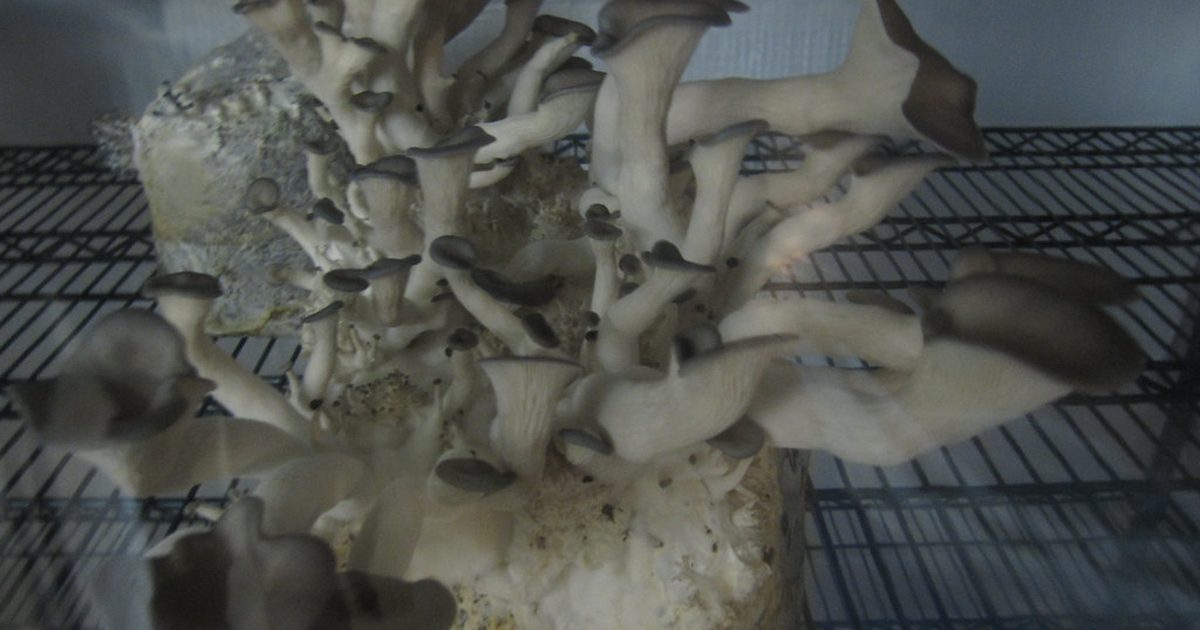

Quick answer: Oyster mushrooms are the easiest start: they grow on pasteurised straw or sawdust in bags inside a dark, humid, clean room. Buy quality spawn from a reliable supplier, mix it with the substrate, incubate until white growth fills the bag, then open for fruiting and harvest in several flushes. Sell fresh to hotels, supermarkets and households, or dry them.
What You Need
- A clean room you can keep dark, humid and ventilated.
- Substrate: wheat or rice straw, maize stalks or sawdust.
- A drum or tank to pasteurise substrate with hot water.
- Quality spawn from a reliable supplier.
- Plastic bags, shelves or hanging lines, a sprayer.
Step by Step
- Chop and soak the substrate, then pasteurise it in hot water and let it cool.
- Mix with spawn in clean bags; tie and make small holes.
- Incubate in the dark until the bags turn white (spawn run).
- Move to the fruiting area; open or cut the bags.
- Mist to keep humidity high; ventilate to avoid long stems.
- Harvest clusters before the caps flatten; expect several flushes per bag.
Hygiene Matters
Contamination (green or black moulds) is the main cause of failure. Keep the room, tools and hands clean, and remove contaminated bags at once.
Figures here are rough planning guides from common Kenyan practice. Yields and prices vary by area, season and management: talk to your local agriculture, livestock or fisheries extension officer before investing.
Selling
Fresh mushrooms spoil fast: harvest to order, sell quickly or chill them. Hotels, restaurants, supermarkets and health-conscious households buy regularly; dried mushrooms keep longer.
Your First 30 Days
- Week 1: prepare the room; find a spawn supplier and substrate.
- Week 2: pasteurise and bag the first batch.
- Weeks 3–5: spawn run in the dark.
- Weeks 5–8: fruiting and harvests; find regular buyers.
Common Mistakes to Avoid
- Dirty rooms and tools.
- Poor-quality spawn.
- Low humidity.
- Harvesting too late.
Worked Example: A Spare Room Becomes a Mushroom Unit
Chebet turns a spare room into a mushroom unit: one side dark for spawn run, the other with misting for fruiting. She buys oyster spawn from a reliable supplier, pasteurises chopped wheat straw in a drum and fills 50 bags in her first batch. Clean hands and tools keep contamination low, and she sells fresh clusters to two restaurants and dries the surplus.
Growing Room Checklist
- Dark area for spawn run, humid area for fruiting.
- Misting several times a day.
- Fresh air without strong draughts.
- Clean floors and walls; footbath at the door.
- Remove contaminated bags at once.
Ways to Grow
- Sell spawn bags (fruiting-ready) to new growers.
- Dried mushrooms and mushroom powder.
- Training sessions for beginners.
Stay safe: never pay a "registration", "activation" or "withdrawal" fee to get paid, and never share your password or M-Pesa PIN. Real online income comes from people paying for your content, products or skills.
Create your free Stay Home Network account, or log in with H-MAIL on app.stayhomenetwork.com.
Frequently Asked Questions
Is mushroom farming profitable in Kenya?
It can be, especially oyster mushrooms grown cleanly with reliable buyers.
How do I start mushroom farming in Kenya?
Get quality spawn, pasteurise substrate, bag and incubate in a dark room, then fruit in a humid room and harvest.
Which mushroom is easiest to grow?
Oyster mushrooms grow on straw or sawdust and are easiest for beginners.
How long does it take to harvest mushrooms?
After the spawn run of a few weeks, harvests come in several flushes.
Where can I sell mushrooms?
Hotels, restaurants, supermarkets and households; dry surplus to keep it longer.
Cover photo: Oyster mushrooms growing from a substrate bag. Photo: oyster mushroom growing at Noisebridge by Liz Henry, BY-ND 2.0, via Openverse.