
Quick answer: Start with 5–10 hives (Langstroth or Kenya top-bar) placed in a quiet, shaded spot near water and flowering plants, away from homes, roads and livestock. You need a bee suit, gloves, smoker and hive tool, and later a strainer or extractor and clean containers. Hives are usually harvested a few times a year when combs are capped. Honey sells best when it is clean, properly strained, honestly labelled and meets KEBS standards for packed honey.
Types of Hives
| Hive | Pros | Cons |
|---|---|---|
| Langstroth | Frames can be reused; highest yields; works with an extractor | Costs more; needs accurate carpentry |
| Kenya top-bar (KTBH) | Cheaper, easy to inspect | Combs are cut, not reused; less honey than Langstroth |
| Log hive | Very cheap, traditional | Hard to inspect; lower quality honey |
Equipment
- Bee suit or jacket with veil, gloves and gumboots.
- Smoker and hive tool.
- Bee brush, and buckets with lids.
- Strainer or press for top-bar combs; honey extractor for Langstroth frames.
- Food-grade containers, jars and labels.
Where to Place Your Hives
- Within reach of water and plenty of flowering trees and crops.
- Shaded from the hot afternoon sun; hung on wires or stands to stop ants and honey badgers.
- At least 100 m from homes, schools, roads and animal sheds.
- Away from fields that are sprayed with chemicals.
Getting Bees Into the Hive (Colonisation)
Bait new hives with beeswax rubbed inside, and place them during the swarming season, often after the rains start. Some farmers buy colonised hives or catch swarms. Check the hive entrance for steady bee traffic before opening.
Harvesting and Processing Honey
- Harvest in the evening or early morning, using gentle smoke.
- Take only capped (sealed) combs; leave enough honey for the colony.
- Extract (Langstroth) or crush and strain (top-bar) in a clean room.
- Let honey settle so air and wax rise to the top, then bottle.
- Melt and clean the wax to sell or make candles, polish and creams.
Scaling up to packaging: honey processing equipment and setup.
Worked Example: A Group Apiary in Baringo
A women’s group sets up 20 Langstroth hives on a fenced plot near a river with acacia trees, hung on wires against honey badgers. They share one extractor and a settling tank, harvest when combs are capped, and pack honey in labelled jars for local shops and the county agricultural show. Wax goes to a candle maker.
Starter Checklist
| Item | Why |
|---|---|
| Hives and stands/wires | Protection from pests |
| Protective gear and smoker | Safe inspections |
| Extractor or strainer | Clean honey |
| Settling tank and jars | Bottling and selling |
| Training from an experienced beekeeper | Avoid losing colonies |
Your First 30 Days
- Week 1: train with a local beekeeper or the county agriculture office.
- Week 2: choose and prepare the apiary site.
- Week 3: buy or build hives and gear; bait them.
- Week 4: place hives and keep records of colonisation.
Common Mistakes to Avoid
- Placing hives near homes or livestock.
- Harvesting uncapped honey (it ferments).
- Adding water or sugar to honey: it ruins your name.
- Poor storage containers.
Figures here are rough planning guides from common Kenyan practice. Yields and prices vary by area, season and management: talk to your local agriculture, livestock or fisheries extension officer before investing.
Stay safe: never pay a "registration", "activation" or "withdrawal" fee to get paid, and never share your password or M-Pesa PIN. Real online income comes from people paying for your content, products or skills.
Create your free Stay Home Network account, or log in with H-MAIL on app.stayhomenetwork.com.
Frequently Asked Questions
How do I start beekeeping in Kenya?
Get training, choose a quiet site near water and flowers, set up 5–10 hives with protective gear, and bait them during the swarming season.
Which hive is best in Kenya?
Langstroth hives give the most honey; Kenya top-bar hives are cheaper and easier to start.
How much honey does one hive produce?
It varies by hive type, forage and season; Langstroth hives usually produce more than top-bar and log hives.
Is beekeeping profitable in Kenya?
Yes when colonies are well managed, honey is clean and you sell under a trusted label.
Do I need KEBS to sell honey?
For packed honey sold widely, KEBS standards apply; confirm with KEBS.
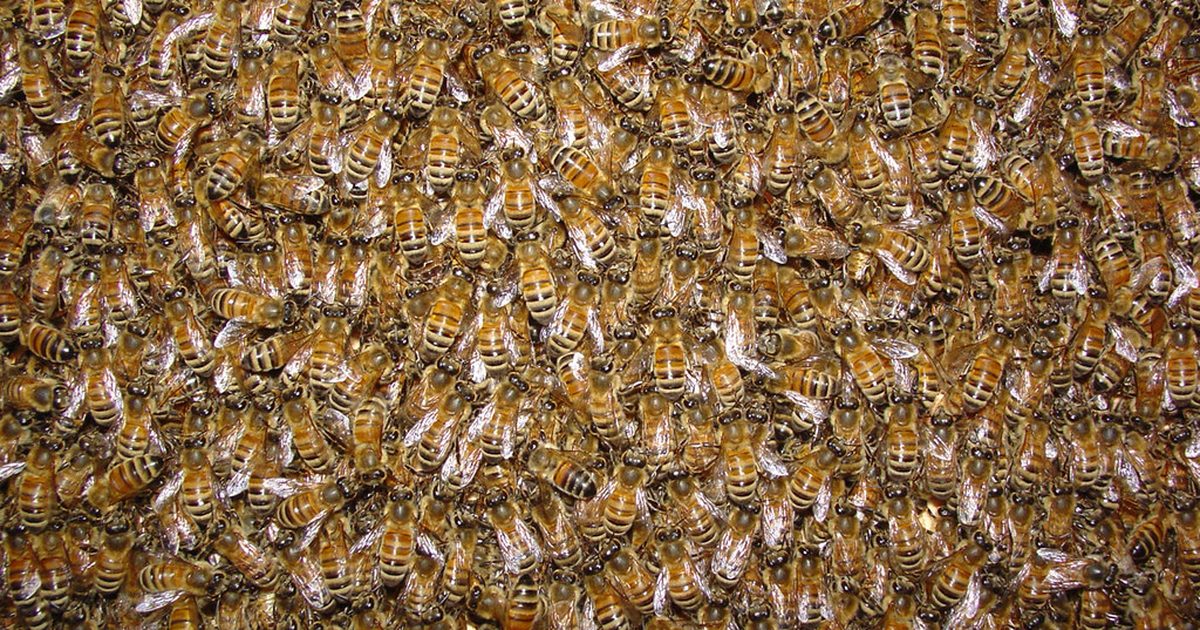
Cover photo: Honey bees on a comb. Photo: bees by kokogiak, BY 2.0, via Openverse.