
Quick answer: Plant grafted Hass seedlings from a registered nursery for export markets (or Fuerte and local varieties for the domestic market), spaced about 7–8 m apart, which gives roughly 60–80 trees per acre. Grafted trees usually start bearing from about year 3–4 and increase with age. For export, your farm must meet traceability and registration rules and fruit must be picked mature; most farmers sell through registered exporters or cooperatives.
Hass vs Fuerte vs Local Varieties
| Variety | Market | Notes |
|---|---|---|
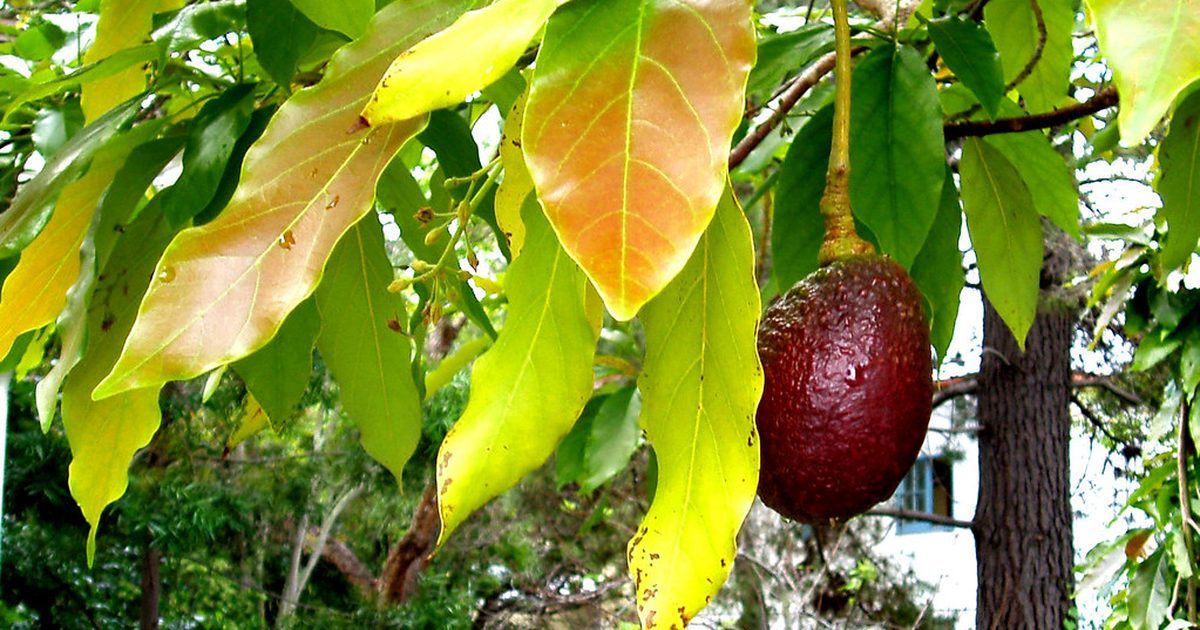
| Hass | Export and premium local | Dark, pebbly skin; most demanded by exporters |
| Fuerte | Local and some export | Green, smooth skin; good pollinator for Hass |
| Local/seedling trees | Local markets | Unpredictable fruit; not suitable for export |
Seedlings and Planting
- Buy grafted seedlings from a nursery registered with KEPHIS, with healthy roots and a clear graft union.
- Dig holes about 60 cm wide and deep, mix topsoil with well-rotted manure.
- Plant at the start of the rains; water well and mulch.
- Avocados hate waterlogging: choose well-drained land or plant on mounds.
- Mix in some Fuerte trees as pollinators for better fruit set.
Spacing and Trees per Acre
| Spacing | Approx. trees per acre |
|---|---|
| 7 m × 7 m | About 80 |
| 8 m × 8 m | About 60 |
| Closer spacing with pruning | More trees, more management |
Care: Water, Feeding and Pests
- Water young trees in dry spells; drip irrigation pays off.
- Feed with manure and fertiliser based on a soil test.
- Prune to keep trees manageable and open.
- Watch for thrips, mites, fruit flies and false codling moth, which matters for export.
- Avoid root rot by keeping drainage good.
Export Rules (Summary)
Exporters buy from farms that can show traceability, and fruit must reach the required maturity (dry matter) before harvest; picking immature fruit is illegal during closed seasons. Rules come from the Agriculture and Food Authority (Horticultural Crops Directorate) and KEPHIS, and change from season to season: register and confirm current requirements with them and your exporter.
Worked Example: Half an Acre in Murang’a
Peter plants 40 grafted Hass and 4 Fuerte trees at 7 m spacing on half an acre, with beans between the young trees for the first two years. He joins a local avocado cooperative that registers members with an exporter and organises spraying and picking. His first small harvest comes in year four, and he keeps records of every tree for traceability.
Starter Checklist
| Item | Why |
|---|---|
| Soil test | Correct feeding from day one |
| Certified grafted seedlings | Export-grade fruit |
| Water plan (drip or tank) | Survival in dry spells |
| Cooperative or exporter contact | Market and traceability |
| Record book per tree | Export and management |
Your First 30 Days
- Week 1: soil test and talk to the county horticulture officer.
- Week 2: choose a registered nursery and order seedlings.
- Week 3: dig and prepare holes with manure.
- Week 4: plant at the onset of rains; mulch and water.
Common Mistakes to Avoid
- Buying ungrafted or uncertified seedlings.
- Planting in waterlogged soil.
- Selling immature fruit to brokers.
- No records for traceability.
Figures here are rough planning guides from common Kenyan practice. Yields and prices vary by area, season and management: talk to your local agriculture, livestock or fisheries extension officer before investing.
Stay safe: never pay a "registration", "activation" or "withdrawal" fee to get paid, and never share your password or M-Pesa PIN. Real online income comes from people paying for your content, products or skills.
Create your free Stay Home Network account, or log in with H-MAIL on app.stayhomenetwork.com.
Frequently Asked Questions
How many avocado trees per acre?
Roughly 60–80 at 7–8 m spacing.
How long does Hass avocado take to mature in Kenya?
Grafted trees usually start bearing from about year 3–4.
Where can I buy certified avocado seedlings?
From nurseries registered with KEPHIS; ask your county agriculture office for a list.
Is avocado farming profitable in Kenya?
It can be, especially Hass for export, once trees reach full bearing and you sell through a reliable buyer.
Can small farmers export avocados?
Usually through cooperatives or registered exporters that handle traceability and certification.
Cover photo: Avocado fruit on a tree. Photo: the avocado tree next door by emdot, BY 2.0, via Openverse.