
Quick answer: Watermelons do best in warm, sunny areas with well-drained sandy loam and reliable water. Plant hybrid seed directly on raised beds about 1.5–2 m between rows and 0.6–1 m between plants, water steadily, and protect flowers and fruit from pests. Most varieties are ready in roughly 80–100 days. A ripe melon has a dry tendril next to the fruit, a creamy-yellow ground spot and a hollow sound when tapped.
Where Watermelons Grow Well
Hot lowland and mid-altitude areas such as parts of Makueni, Kibwezi, Machakos, the coast, Tana River and the Rift Valley floor grow good melons, often under irrigation. Cool highland areas give slower growth and smaller fruit.
Popular Varieties
| Type | Notes |
|---|---|
| F1 hybrids (e.g. Sukari-type) | Sweet, uniform, popular with traders |
| Crimson Sweet | Round, striped, open-pollinated |
| Charleston Gray | Long, light green, travels well |
Planting and Spacing
- Plough deep and make raised beds or ridges for drainage.
- Add well-rotted manure and fertiliser as per a soil test.
- Sow 2–3 seeds per hole about 2–3 cm deep; thin to the strongest seedling.
- Space roughly 1.5–2 m between rows and 0.6–1 m between plants.
- Mulch to keep fruit off wet soil and reduce weeds.
Water, Feeding and Pollination
Water evenly, especially at flowering and fruit growth; irregular watering causes cracked fruit. Drip irrigation is ideal. Reduce water near harvest for sweeter fruit. Watermelons need bees to carry pollen from male to female flowers: avoid spraying when flowers are open and keep beehives nearby if you can.
Pests and Diseases
- Fruit flies: lay eggs in young fruit; use traps and field hygiene.
- Aphids and whiteflies: spread viruses; scout and control early.
- Powdery and downy mildew: worse in humidity; space well.
- Fusarium wilt: rotate crops; do not plant melons on the same land every season.
How to Tell When a Watermelon Is Ripe
- The curly tendril nearest the fruit has dried brown.
- The ground spot has turned from white to creamy yellow.
- The rind is dull rather than shiny and hard to scratch.
- A firm tap gives a deep, hollow sound.
Worked Example: One Acre Under Drip in Kibwezi
A youth group leases an acre with a borehole, installs drip lines and plants an F1 hybrid. They set yellow traps for fruit flies, keep two beehives at the edge of the field for pollination, and agree prices with two traders from Nairobi a month before harvest so the lorries come to the farm.
Starter Checklist
| Item | Why |
|---|---|
| Reliable water source and drip kit | Even fruit growth |
| Hybrid seed from a trusted agro-dealer | Sweet, uniform fruit |
| Fruit fly traps | Protect the crop |
| Buyer agreements before harvest | Avoid gluts |
| Transport plan | Melons are heavy |
Your First 30 Days
- Week 1: soil test, water plan, seed purchase.
- Week 2: plough, beds, manure and drip lines.
- Week 3: plant and mulch.
- Weeks 4–12: weed, scout, water and line up buyers.
Common Mistakes to Avoid
- Planting without water.
- Spraying while bees are working the flowers.
- Harvesting unripe fruit.
- Planting melons on the same land each season.
Figures here are rough planning guides from common Kenyan practice. Yields and prices vary by area, season and management: talk to your local agriculture, livestock or fisheries extension officer before investing.
Stay safe: never pay a "registration", "activation" or "withdrawal" fee to get paid, and never share your password or M-Pesa PIN. Real online income comes from people paying for your content, products or skills.
Create your free Stay Home Network account, or log in with H-MAIL on app.stayhomenetwork.com.
Frequently Asked Questions
How long does watermelon take to mature in Kenya?
Most varieties are ready in about 80–100 days.
What is the best spacing for watermelons?
About 1.5–2 m between rows and 0.6–1 m between plants.
Which areas in Kenya are best for watermelon farming?
Warm lowland and mid-altitude areas with sandy loam and irrigation.
How do I know a watermelon is ripe?
A dry tendril, a creamy-yellow ground spot, a dull rind and a hollow sound.
Is watermelon farming profitable?
It can be with irrigation, good pest control and buyers agreed before harvest.
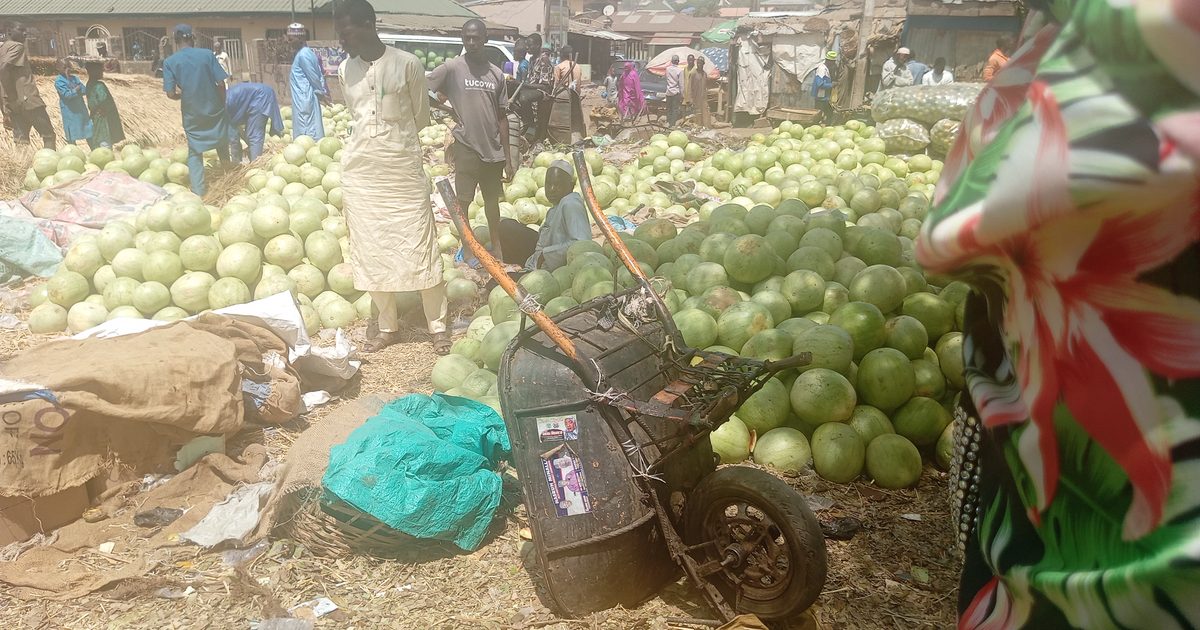
Cover photo: A pile of harvested watermelons at a market. Photo: Pile of Watermelon Harvest at Bakin Dogo Market, Kaduna North 01 by Samsule2, BY-SA 4.0, via Wikimedia Commons.