
Quick answer: Quails are small, mature fast and start laying at about 6–8 weeks, giving many eggs a year in good management. They need dry, well-ventilated cages, quality feed and clean water. Before starting, check with the Kenya Wildlife Service (KWS) whether you need a permit for the species you keep, and secure real buyers first: quail eggs went through a hype and crash in Kenya, and farmers who planned on hype prices lost money.
Permits
Quails were historically treated as wildlife in Kenya, and farmers have been required to hold a KWS permit. Rules on domesticated quail have been reviewed over time, so ask your nearest KWS office what applies to you today and keep any permit on the farm.
Housing and Cages
- Use cages or deep-litter pens in a secure, rat-proof house.
- Give good ventilation and lighting, but no draughts.
- About 20–25 adult quails per square metre in cages is a common planning figure; overcrowding causes pecking.
- Sloping cage floors let eggs roll out for collection.
- Keep everything dry and clean.
Feeding
Quails need high-protein feed: chick mash (crumbled fine) for chicks, then grower and layer feeds formulated for quails or game birds where available. Provide clean water at all times and grit for digestion. Feed quality shows straight away in egg numbers.
Egg Production and Breeding
| Stage | Typical |
|---|---|
| Start laying | About 6–8 weeks |
| Laying life | Strong for roughly a year, then declines |
| Incubation | About 17–18 days |
| Ratio for fertile eggs | About 1 male to 3–4 females |
Diseases and Biosecurity
Quails can get coccidiosis, respiratory diseases and parasites. Keep new birds separate for two weeks, control visitors and rodents, clean regularly and talk to a vet about any vaccination programme for your area.
The Real Market
Quail eggs and meat sell to supermarkets, hotels, health-conscious buyers and as breeding stock, but demand is smaller than for chicken eggs. Start small, test what local buyers really pay, and grow only when you can sell your weekly output. Compare with chicken egg business and kienyeji chicken farming.
Worked Example: Starting With 100 Birds
Mercy starts with 100 laying quails in stacked cages in a converted store in Nakuru. Before buying, she visited the KWS office about permits and agreed a weekly order of packed quail eggs with two health shops and a hotel. She sells day-old chicks to new farmers from her incubator, which steadies income when egg orders drop.
Starter Checklist
| Item | Why |
|---|---|
| KWS permit check | Stay legal |
| Cages and a secure house | Protection and clean eggs |
| Quality feed and drinkers | Egg production |
| Egg trays and packaging | Sell attractively |
| Confirmed buyers | Avoid the hype trap |
Your First 30 Days
- Week 1: confirm permits with KWS; visit working farms.
- Week 2: build cages and set up feed and water.
- Week 3: buy healthy birds from a reputable farm.
- Week 4: start records and deliver first eggs to buyers.
Common Mistakes to Avoid
- Believing hype prices.
- Overcrowding cages.
- Poor-quality feed.
- No market plan.
Figures here are rough planning guides from common Kenyan practice. Yields and prices vary by area, season and management: talk to your local agriculture, livestock or fisheries extension officer before investing.
Stay safe: never pay a "registration", "activation" or "withdrawal" fee to get paid, and never share your password or M-Pesa PIN. Real online income comes from people paying for your content, products or skills.
Create your free Stay Home Network account, or log in with H-MAIL on app.stayhomenetwork.com.
Frequently Asked Questions
Do I need a permit for quail farming in Kenya?
Check with KWS. Quails have historically needed a KWS permit, and rules have been reviewed over time.
At what age do quails start laying?
About 6–8 weeks.
How many quails can I keep per square metre?
Roughly 20–25 adult birds per square metre in cages is a common planning figure.
Is quail farming profitable in Kenya?
Only with confirmed buyers and good management; the market is smaller than for chicken eggs.
How long do quail eggs take to hatch?
About 17–18 days in an incubator.
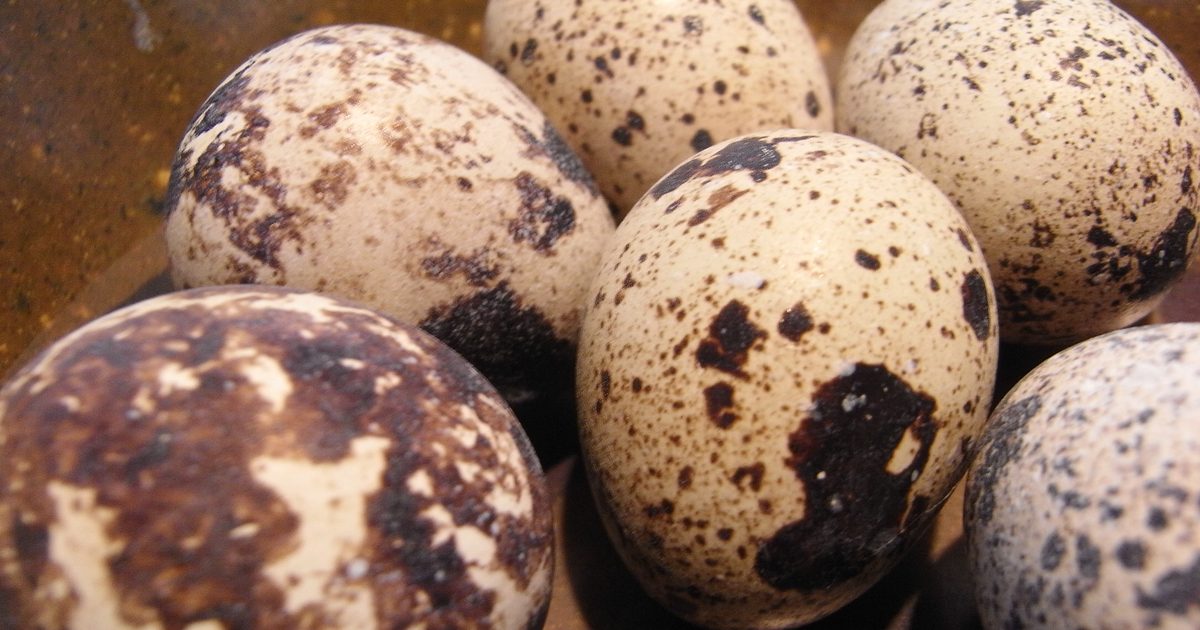
Cover photo: Quail eggs. Photo: Japanese quail eggs by K.Suzuki in Tokyo by K.Suzuki, BY 2.0, via Wikimedia Commons.


