
Quick answer: Raise sukuma wiki seedlings in a nursery for about 4–6 weeks, transplant at roughly 60 cm between rows and 45 cm between plants, feed with manure and a nitrogen top-dressing, and water regularly. You can start picking lower leaves about 6–8 weeks after transplanting and keep harvesting for many months. Control aphids and diamondback moth early, and sell daily to mama mbogas, schools and hotels for steady cash.
Popular Varieties
| Variety | Notes |
|---|---|
| Collards (e.g. Southern Georgia type) | Broad leaves, long harvesting |
| Thousand-headed kale | Many shoots, tolerant |
| F1 hybrid kales | Uniform, high yield, cost more seed |
Nursery and Transplanting
- Prepare a raised nursery bed with fine soil and manure.
- Sow seed in shallow rows, cover lightly and mulch.
- Water gently morning or evening.
- Transplant at 4–6 weeks when seedlings have 4–5 true leaves, preferably on a cloudy day or in the evening.
- Water immediately after transplanting.
Spacing, Feeding and Water
About 60 cm between rows and 45 cm between plants is common. Kale is a heavy feeder: plant into soil with plenty of well-rotted manure, then top-dress with a nitrogen fertiliser as advised after the plants establish, and again after heavy harvests. Water regularly; drip or a simple hosepipe system keeps leaves growing in dry months, when prices are best.
Pests and Diseases
- Aphids: clusters under leaves; scout and act early.
- Diamondback moth caterpillars: holes in leaves; use integrated control.
- Cutworms: cut young seedlings at ground level.
- Black rot and downy mildew: rotate crops, avoid overhead watering late in the day.
Harvesting and Selling
Pick the lower, mature leaves by hand, leaving the top growing. Harvest every few days in the morning and keep leaves shaded and fresh. Sell to mama mbogas, schools, hospitals, restaurants and estates; see how to start a mama mboga business.
Worked Example: Sukuma on an Eighth of an Acre
Kevin plants an eighth of an acre near a river in Kisii with collards, using a small petrol pump to water twice a week in the dry season. He picks every three days and sells bundles to four mama mbogas and a school kitchen. Because his kale is available in the dry months when supply is low, he gets better prices than neighbours who rely on rain.
Starter Checklist
| Item | Why |
|---|---|
| Manure and fertiliser | Leaf growth |
| Water source | Dry-season sales |
| Quality seed | Strong plants |
| Scouting routine | Early pest control |
| Regular buyers | Daily cash |
Your First 30 Days
- Week 1: prepare nursery and buy seed.
- Weeks 2–5: raise seedlings; manure the field.
- Week 6: transplant and water.
- Weeks 12+: harvest every few days and record sales.
Common Mistakes to Avoid
- Too little manure.
- Letting aphids spread.
- Over-harvesting young plants.
- No water for the dry season.
Figures here are rough planning guides from common Kenyan practice. Yields and prices vary by area, season and management: talk to your local agriculture, livestock or fisheries extension officer before investing.
Stay safe: never pay a "registration", "activation" or "withdrawal" fee to get paid, and never share your password or M-Pesa PIN. Real online income comes from people paying for your content, products or skills.
Create your free Stay Home Network account, or log in with H-MAIL on app.stayhomenetwork.com.
Frequently Asked Questions
How long does sukuma wiki take to mature?
You can start harvesting about 6–8 weeks after transplanting.
What is the spacing for kale?
About 60 cm between rows and 45 cm between plants.
How long can kale be harvested?
Many months, picking lower leaves regularly with good feeding and pest control.
Is sukuma wiki farming profitable?
Yes on small plots with water and regular buyers, especially in dry seasons.
What pests attack kale?
Mainly aphids, diamondback moth caterpillars and cutworms.
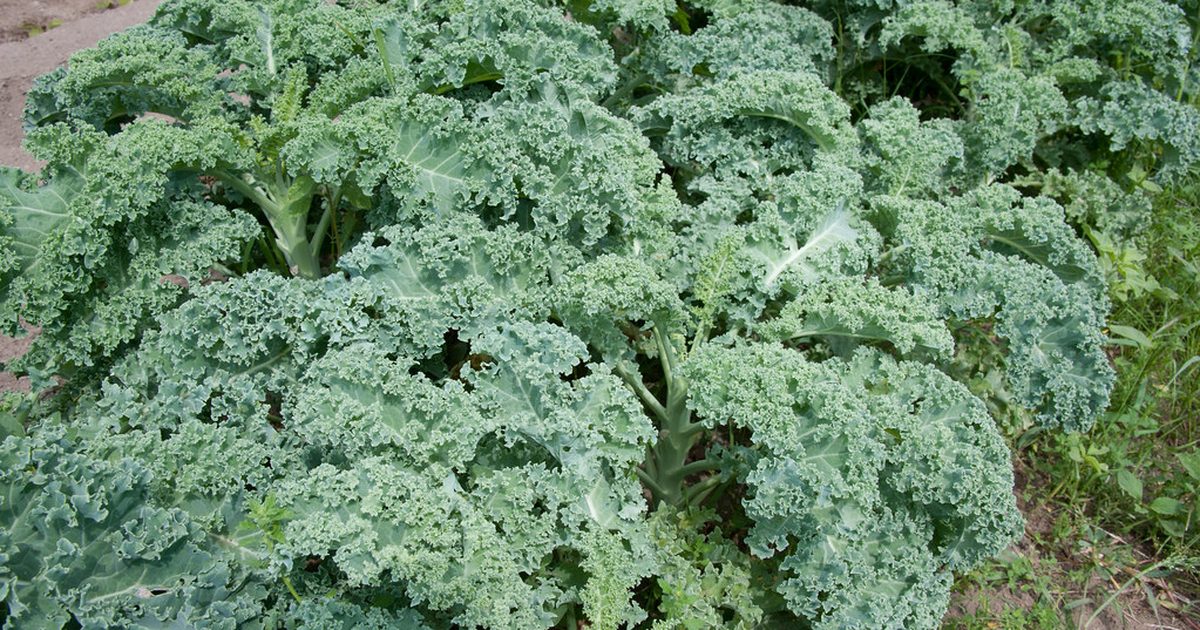
Cover photo: Kale plants growing. Photo: Kale by photofarmer, BY 2.0, via Openverse.