
Quick answer: Start with one to three healthy in-calf heifers or cows of a breed suited to your area (Friesian or Ayrshire in cool highlands, Jersey or crosses where feed is limited), in a zero-grazing unit with a feeding trough, water, a dry resting area and a milking area. Feed is everything: plant fodder (napier, Boma Rhodes, lucerne, desmodium), make silage or hay, and add dairy meal according to milk yield. Use AI or a good bull, aim for a calf about every 12–13 months, keep records and sell through a cooperative or processor.
Dairy Breeds in Kenya
| Breed | Strength | Needs |
|---|---|---|
| Friesian (Holstein) | Highest milk volume | Lots of good feed; cool areas |
| Ayrshire | Hardy, good milk | Medium to high feed |
| Jersey | Rich milk (high butterfat), smaller | Less feed per cow |
| Guernsey | Rich milk | Medium feed |
| Crosses | Adapted to local conditions | Good for smallholders |
Zero Grazing Unit
- Feeding trough and fresh water point.
- Dry, comfortable resting cubicles with bedding.
- Concrete walking area sloped for drainage, with a slurry pit for manure.
- A milking area that is easy to clean.
- A calf pen and a store for feed.
Feeding Dairy Cows
| Feed | Role |
|---|---|
| Napier, Boma Rhodes, maize stover | Bulk fibre |
| Lucerne, desmodium, calliandra | Protein from fodder |
| Silage and hay | Feed for the dry season |
| Dairy meal | Extra energy and protein for high yielders |
| Mineral lick or mineral premix | Health and fertility |
| Clean water | A milking cow drinks a lot every day |
A common rule many farmers use is about 1 kg of dairy meal for every 2 litres of milk above what the forage supports; ask your livestock officer to balance the ration for your feeds.
Breeding
Serve heifers when they reach the right body weight and age for the breed, using AI from a reputable provider or a good bull. Watch for heat signs and record dates. A calf about every 12–13 months keeps cows productive.
Health: Mastitis, Ticks and Vaccines
- Milk with clean, dry hands and equipment; use a strip cup and teat dip to catch mastitis early.
- Control ticks by spraying or dipping on schedule (East Coast Fever is a major killer).
- Deworm and vaccinate as your vet advises (for example against foot and mouth and lumpy skin disease).
- Keep a health and treatment record.
Milk Marketing and Equipment
Sell through a dairy cooperative, a processor or a milk bar. As you grow, a milking machine, milk cans and a cooler protect quality and price: see dairy farm milking equipment and milk collection centre equipment. Some farmers add value with a milk ATM.
Worked Example: Two Cows to Five in Nyandarua
Jane starts with two in-calf Ayrshire heifers in a timber zero-grazing unit and plants an acre of napier and lucerne. She makes maize silage after harvest so the cows keep milking in the dry months, and sells milk through the local cooperative with monthly payments. Keeping heifer calves from AI, she has five milking cows by year four.
Starter Checklist
| Item | Why |
|---|---|
| Fodder plot and silage plan | Feed all year |
| Healthy, vet-checked cows | Good start |
| Zero-grazing unit | Comfort and clean milk |
| AI provider contact | Better calves |
| Cooperative or buyer | Regular income |
Your First 30 Days
- Week 1: plant fodder and talk to a livestock officer.
- Week 2: build the zero-grazing unit.
- Week 3: buy vet-checked cows; set up records.
- Week 4: join a cooperative and agree milk delivery.
Common Mistakes to Avoid
- Buying cows before planting feed.
- Poor milking hygiene.
- Skipping tick control.
- No records of heat, AI and yields.
Figures here are rough planning guides from common Kenyan practice. Yields and prices vary by area, season and management: talk to your local agriculture, livestock or fisheries extension officer before investing.
Stay safe: never pay a "registration", "activation" or "withdrawal" fee to get paid, and never share your password or M-Pesa PIN. Real online income comes from people paying for your content, products or skills.
Create your free Stay Home Network account, or log in with H-MAIL on app.stayhomenetwork.com.
Frequently Asked Questions
Which dairy breed is best in Kenya?
Friesian for high yield where feed is plentiful; Ayrshire and Jersey or crosses where feed or climate is harder.
How much milk does a dairy cow produce in Kenya?
It varies widely with breed and feeding; good feeding is the biggest factor.
How much dairy meal should a cow eat?
A common rule is about 1 kg for every 2 litres of milk above what the forage supports; balance the ration with your livestock officer.
What is zero grazing?
Keeping cows in a unit and bringing feed and water to them instead of letting them graze.
Is dairy farming profitable in Kenya?
Yes with cheap home-grown fodder, good breeding, clean milk and a reliable buyer.
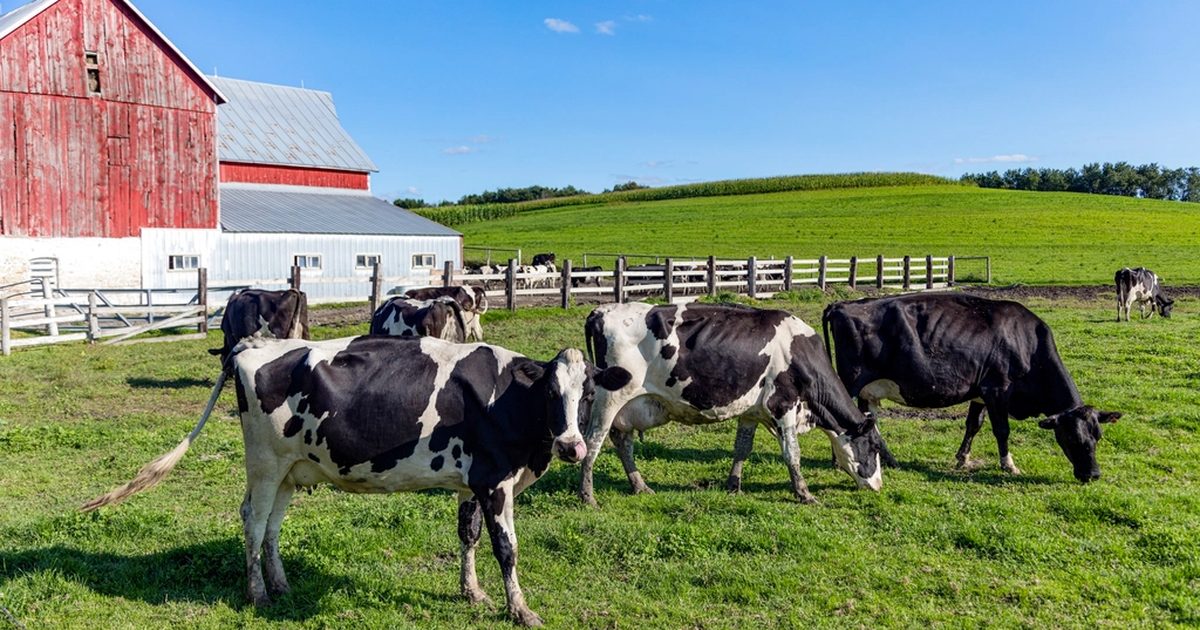
Cover photo: Dairy cows on a farm. Photo: Holstein dairy cows farm by Carol M Highsmith, CC0 1.0, via Openverse.