
Quick answer: Plant certified seed potatoes of a variety that suits your market (for example Shangi for local markets, Markies or Dutch Robjin for chips and crisps), at about 75 cm between rows and 30 cm between plants. Fertilise based on a soil test, earth up as plants grow, and protect the crop from late blight in wet weather. Potatoes are usually ready in about 3–4 months depending on variety. Storing in a dark, airy store lets you sell when prices recover.
Popular Varieties
| Variety | Market | Notes |
|---|---|---|
| Shangi | Local fresh market | Short dormancy, cooks fast |
| Dutch Robjin | Chips, crisps | Red skin |
| Markies | Processing (chips) | Long tubers |
| Unica | Fresh market | Tolerant, high yielding |
| Challenger and others | Processing | Ask processors which they buy |
Seed and Planting
- Use certified seed from KEPHIS-approved sources; farm-saved seed spreads disease.
- Plant sprouted seed tubers at the start of the rains or under irrigation.
- Spacing about 75 cm × 30 cm; a commonly quoted seed rate is roughly 16–20 bags (50 kg) per acre, depending on tuber size.
- Rotate: avoid planting potatoes, tomatoes or other related crops on the same land each season.
Fertiliser, Earthing Up and Weeding
Apply fertiliser at planting as your soil test advises. Earth up soil around the stems two or three times as plants grow: it protects tubers from light (green potatoes are poisonous) and from tuber moths, and increases yield. Keep the field weed-free in the first six weeks.
Late Blight and Bacterial Wilt
- Late blight: dark patches on leaves in cool wet weather; spray protective fungicides on schedule as advised, and remove volunteer plants.
- Bacterial wilt: plants wilt suddenly; uproot and destroy, rotate fields and use clean seed.
- Potato tuber moth and aphids: earth up and scout.
Harvesting, Storage and Selling
Cut the haulms (stems) about two weeks before harvest so skins harden. Harvest carefully to avoid bruising, cure in shade, sort by size and store in a dark, ventilated store. Sell to traders, chips businesses, hotels and processors. County rules on bag sizes and packaging apply: confirm the current requirements before you sell.
Worked Example: One Acre in Nyandarua
Samuel buys certified Shangi seed, plants one acre at the onset of the long rains, earths up twice and sprays against late blight on a fixed schedule in the wet weeks. He sells half at harvest to a chips business in Nakuru on an agreed price and stores the rest in a dark, airy store, selling it a month later when prices rise.
Starter Checklist
| Item | Why |
|---|---|
| Soil test | Right fertiliser |
| Certified seed | Clean, high-yield crop |
| Spray plan for late blight | Protect yield |
| Storage space | Sell at better prices |
| Buyer contacts (chips, hotels) | Steady sales |
Your First 30 Days
- Week 1: soil test and order certified seed.
- Week 2: plough and prepare furrows.
- Week 3: plant with fertiliser.
- Weeks 5–12: weed, earth up, scout and spray as needed.
Common Mistakes to Avoid
- Using farm-saved seed.
- Skipping crop rotation.
- Ignoring blight in wet weather.
- Selling everything at harvest when prices are lowest.
Figures here are rough planning guides from common Kenyan practice. Yields and prices vary by area, season and management: talk to your local agriculture, livestock or fisheries extension officer before investing.
Stay safe: never pay a "registration", "activation" or "withdrawal" fee to get paid, and never share your password or M-Pesa PIN. Real online income comes from people paying for your content, products or skills.
Create your free Stay Home Network account, or log in with H-MAIL on app.stayhomenetwork.com.
Frequently Asked Questions
Which potato variety is best in Kenya?
Shangi is popular for the fresh market; Markies, Dutch Robjin and Challenger are common for processing.
What is the spacing for potatoes?
About 75 cm between rows and 30 cm between plants.
How long do potatoes take to mature?
About 3–4 months depending on variety and altitude.
Where do I get certified potato seed?
From KEPHIS-approved seed producers and agro-dealers; ask your county agriculture office.
How do I control late blight?
Use clean seed, rotate crops, remove volunteers and follow a protective fungicide programme in wet weather.
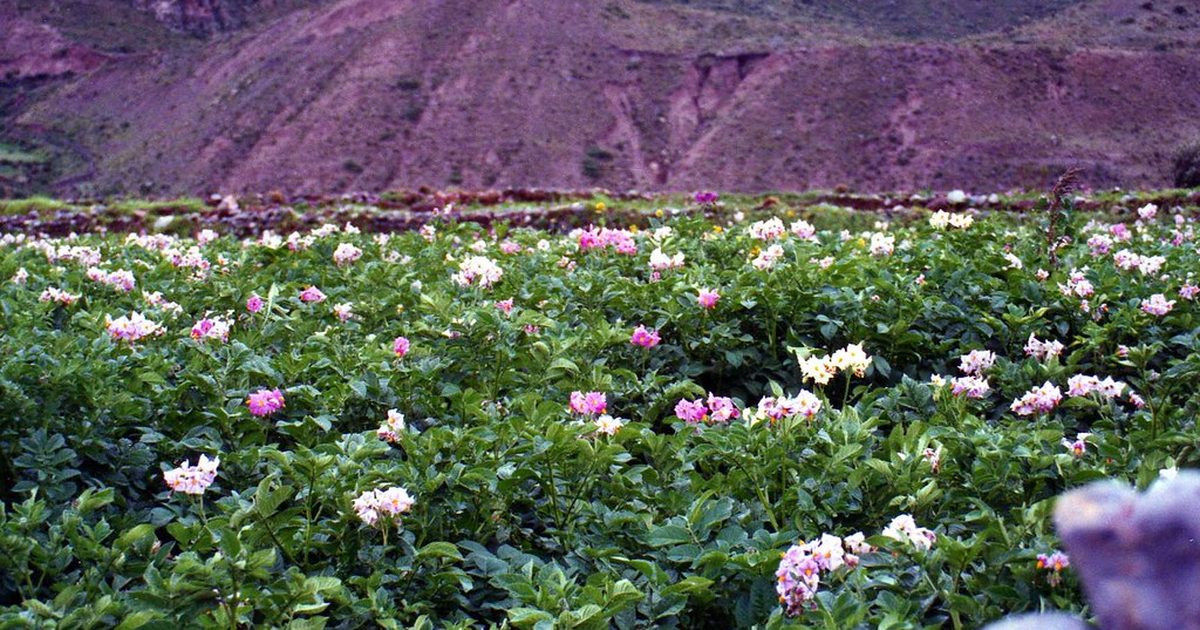
Cover photo: A potato crop in flower. Photo: Potato flowers by wallygrom, BY-SA 2.0, via Openverse.