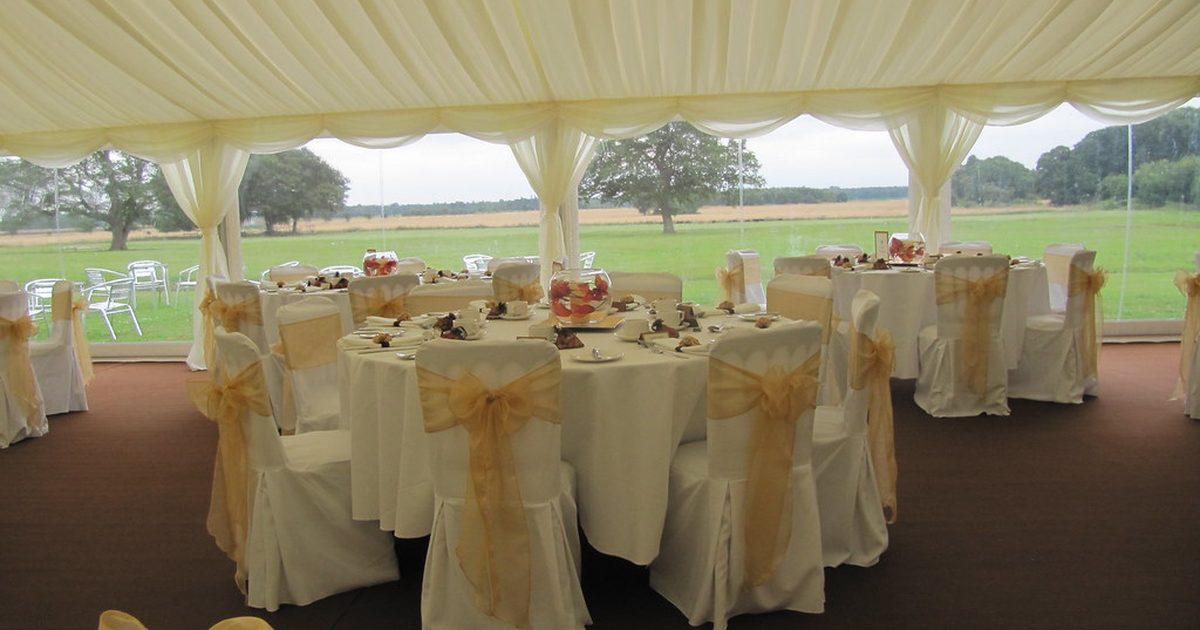

Quick answer: Start with a small, quality set: for example one or two tents, 100–200 plastic chairs, tables and linen, plus a way to transport and store them. Price per item per day, take a booking deposit and a damage deposit, and deliver and set up on time. Bookings come from funerals, weddings, churches, schools, graduations and corporate events; good set-up photos and partnerships with caterers and decorators fill your calendar.
Types of Tents
| Tent | Use |
|---|---|
| A-frame / marquee | Weddings, corporate events, large crowds |
| Dome / pagoda | VIP areas, receptions, exhibitions |
| Stretch tents | Modern events, outdoor parties |
| Simple canopies | Funerals, meetings, markets |
Starter Equipment
- Tents with poles, pegs and ropes (check quality of canvas or PVC and stitching).
- Plastic chairs (and later chiavari chairs for weddings).
- Plastic or folding tables.
- Table cloths, chair covers and skirting.
- Transport: a pick-up or hired lorry; ropes and tarpaulins.
- A dry, secure store.
Pricing and Deposits
- List your price per tent, chair, table and linen item per day.
- Add delivery and set-up charges by distance.
- Take a booking deposit to hold the date.
- Take a refundable damage deposit or agree replacement charges in writing.
- Count everything at delivery and collection with the client.
Getting Bookings
- Funeral committees, churches and chiefs’ offices: steady demand in every area.
- Caterers and decorators who refer clients: catering business.
- Schools and colleges for graduations and prize days.
- Photos of every set-up on WhatsApp status and Facebook.
- A simple booking calendar so you never double-book.
Worked Example: Starting With One Tent and 150 Chairs
Mwangi starts with one 100-seater tent, 150 plastic chairs and 15 tables, stored at his home and moved with a hired pick-up. Funerals in his village keep him busy most weekends. After a year of saving, he buys a second tent and linen sets, partners with a caterer and starts doing weddings in the nearby town.
Care and Maintenance
Dry tents fully before storing to stop mould, wash and fold linen, repair broken chairs at once, and keep a written inventory so you know what is out with which client.
Starter Checklist
| Item | Why |
|---|---|
| Quality tents and chairs | Last longer, look better |
| Transport plan | Deliver on time |
| Dry store | Protect equipment |
| Price list and deposit rules | Protect income |
| Booking calendar | No double-booking |
Your First 30 Days
- Week 1: research prices and demand in your area.
- Week 2: register and permit; arrange storage and transport.
- Week 3: buy first equipment; take photos.
- Week 4: tell churches, funeral committees and caterers you are open.
Common Mistakes to Avoid
- No damage deposit.
- Storing tents wet.
- Late delivery.
- Not counting items at collection.
Stay safe: never pay a "registration", "activation" or "withdrawal" fee to get paid, and never share your password or M-Pesa PIN. Real online income comes from people paying for your content, products or skills.
Create your free Stay Home Network account, or log in with H-MAIL on app.stayhomenetwork.com.
Frequently Asked Questions
How much capital do I need for a tent hire business?
It depends on how many tents, chairs and tables you start with; many begin with one tent and 100–200 chairs.
How do I price tent and chair hire?
Charge per item per day plus delivery and set-up, with booking and damage deposits.
Is tent hire business profitable in Kenya?
Yes where events are frequent; equipment pays back over many bookings when well maintained.
Where do I get clients?
Funerals, churches, weddings, schools and referrals from caterers and decorators.
How do I protect my tents from damage?
Dry before storing, repair quickly, take damage deposits and count items at collection.
Cover photo: Tables and chairs set inside a wedding marquee. Photo: Wedding Marquee at Escrick Park by Churchill Marquees by Churchill Marquees, BY-ND 2.0, via Openverse.


