
Quick answer: To start a butchery: get a single business permit, public health approval for premises and medical certificates for staff, buy meat only from licensed slaughterhouses with inspection stamps, and equip the shop with a display fridge or chiller, a freezer, a weighing scale, a bone saw or cleaver and a chopping block, and optionally a mincer. Profit comes from fast stock turnover, little waste and extra products like mince, sausages and nyama choma.
Licences and Meat Inspection
- Business registration and KRA PIN: register a business.
- Single business permit: county permit.
- Public health approval of the premises (tiled walls, washable surfaces, water and drainage).
- Medical certificates for everyone handling meat.
- Meat from licensed slaughterhouses, inspected and stamped by veterinary meat inspectors; keep receipts and movement documents.
Fees, licences and rules change. Always confirm current requirements with the official body (county, public health office, KEBS or the veterinary department) before you pay or apply.
Butchery Equipment List
| Equipment | Why |
|---|---|
| Display fridge or chiller | Keeps meat cold and visible |
| Deep freezer | Stores extra stock |
| Weighing scale | Accurate, trusted sales |
| Bone saw or cleavers and knives | Cutting |
| Chopping block and hooks | Hygienic handling |
| Meat mincer | Mince and sausage products |
| Hand-wash point and cleaning supplies | Hygiene |
Cold storage options: refrigeration equipment; adding sausages later: sausage and meat processing.
Sourcing and Stock Control
Buy what you can sell in a day or two at first. Build relationships with a licensed slaughterhouse and agree delivery times. Track how much meat comes in, how much is sold, and how much is lost to trimming and spoilage.
Pricing and Extra Income
- Price per kg after adding transport, power for the fridge, rent, wages and waste.
- Sell bones, offal and fat to customers who want them, rather than throwing them away.
- Make mince, sausages and marinated cuts for higher value.
- A nyama choma corner or delivery to hotels adds steady sales.
Worked Example: A Butchery Beside a Stage in Ruiru
Daniel rents a tiled shop beside a busy matatu stage, buys a used display chiller and a deep freezer, and gets inspected beef and goat meat delivered each morning from a licensed slaughterhouse. He sells most stock by evening, minces trimmings for a fast food joint, and roasts goat meat on Fridays and Saturdays for passers-by.
Starter Checklist
| Item | Why |
|---|---|
| Approved premises | Legal and hygienic |
| Licensed meat supplier | Safe, inspected meat |
| Cold chain (chiller, freezer) | Less spoilage |
| Accurate scale | Customer trust |
| Daily stock record | Control waste and theft |
Your First 30 Days
- Week 1: find premises and talk to the county public health office.
- Week 2: register, permits and medical certificates.
- Week 3: fit the shop and buy equipment.
- Week 4: agree supply with a licensed slaughterhouse and open.
Common Mistakes to Avoid
- Buying uninspected meat.
- Buying more than you can sell.
- Weak cold chain during power cuts.
- Inaccurate scales.
Stay safe: never pay a "registration", "activation" or "withdrawal" fee to get paid, and never share your password or M-Pesa PIN. Real online income comes from people paying for your content, products or skills.
Create your free Stay Home Network account, or log in with H-MAIL on app.stayhomenetwork.com.
Frequently Asked Questions
What licences do I need to start a butchery in Kenya?
A business permit, public health approval of the premises, medical certificates for staff, and meat from licensed, inspected slaughterhouses.
What equipment does a butchery need?
A display fridge or chiller, freezer, scale, bone saw or cleavers, chopping block, hooks and a mincer.
How much capital do I need for a butchery?
It depends on rent, cold equipment and daily stock; used equipment can lower the start.
Is butchery business profitable in Kenya?
Yes with fast turnover, little waste and extra products like mince and nyama choma.
Where should a butchery be located?
In busy estates, near stages and markets, with power and water.
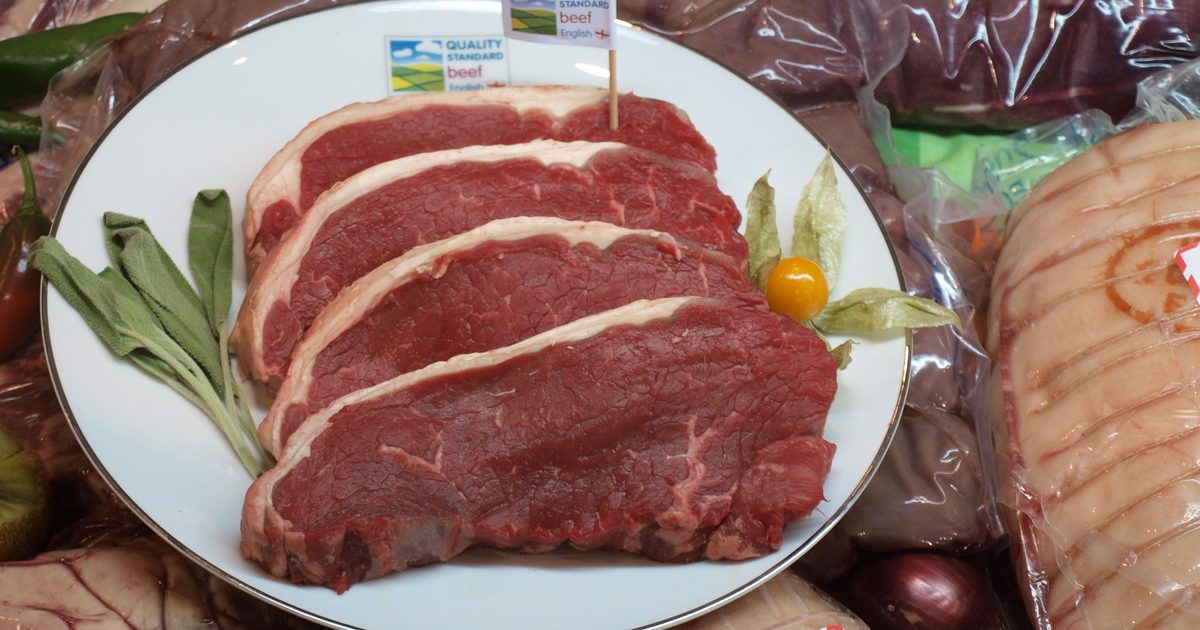
Cover photo: Raw beef steaks. Photo: Raw beef steaks by Иван, BY-SA 4.0, via Wikimedia Commons.


