
Quick answer: To start a catering business: (1) register the business and get a single business permit, a food hygiene licence and medical certificates for food handlers; (2) start with a simple menu you cook well; (3) buy or hire core equipment (large sufurias, gas burners, chafing dishes, serving utensils, cool boxes); (4) cost every plate and charge a deposit; (5) win your first clients through churches, chamas, offices and word of mouth, then grow into weddings and corporate contracts.
Licences and Paperwork
| Requirement | Notes |
|---|---|
| Business registration | register a business name |
| KRA PIN | get a KRA PIN |
| Single business permit | county single business permit |
| Food hygiene licence / public health approval | For your kitchen premises |
| Medical certificates | For every food handler, renewed as required |
| Fire safety | Extinguishers and safe gas storage |
Fees, licences and rules change. Always confirm current requirements with the official body (county, public health office, KEBS or the veterinary department) before you pay or apply.
Catering Equipment List
| Category | Items |
|---|---|
| Cooking | Large sufurias, gas burners and cylinders, cooking spoons, knives, chopping boards |
| Serving | Chafing dishes (food warmers), serving spoons, plates, cutlery, glasses, jugs |
| Storage and transport | Cool boxes, food containers with lids, a vehicle or hired transport |
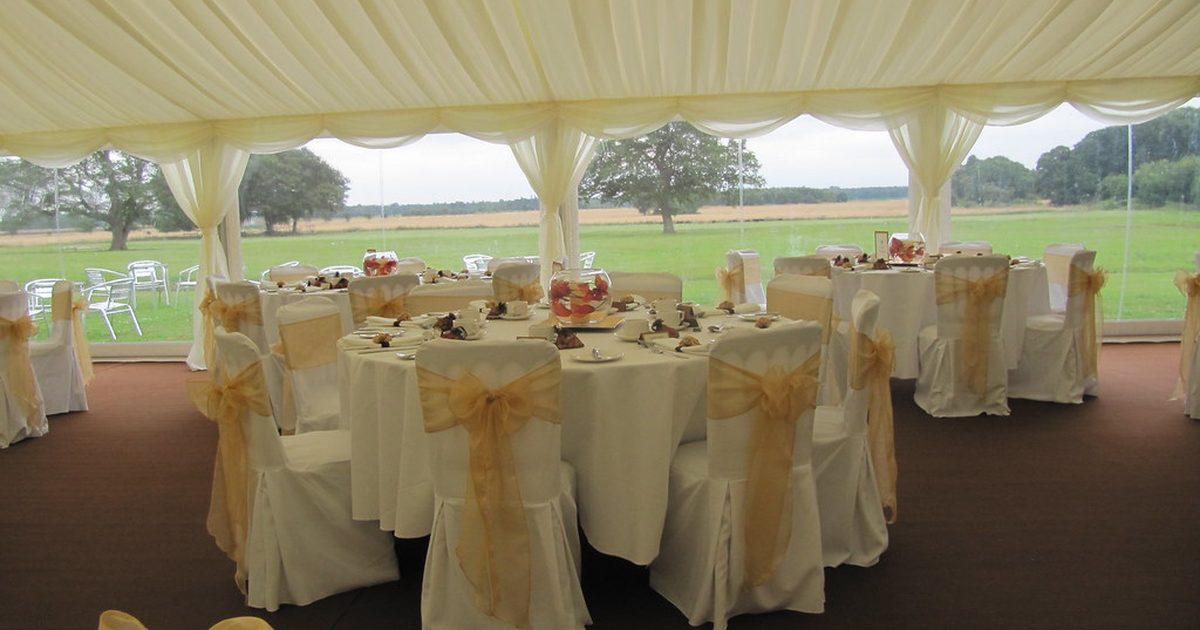
| Presentation | Table cloths, skirting, aprons and caps for staff |
| Hygiene | Hand-wash station, detergents, bins, gloves |
For a fixed kitchen, see commercial kitchen equipment. Hire tents and chairs from partners at first: tent and chair hire business.
How to Cost a Plate
- List every ingredient for 100 plates and price it at today’s market prices.
- Add gas or charcoal, packaging and transport.
- Add staff pay for cooks and servers for the event.
- Add a share of equipment wear and hire costs.
- Divide by 100 for the cost per plate, then add your profit margin.
Always quote in writing, take a deposit (for example half) to buy ingredients, and agree the final guest count a few days before the event.
Getting Your First Clients
- Cater church functions, chama meetings and office lunches at a fair price to build a portfolio.
- Take good photos of every set-up and post them on WhatsApp status, Facebook and Instagram.
- Offer tasting sessions to couples and event planners.
- Partner with decorators, tent hirers and photographers who refer clients.
- Bid for meal contracts with schools and offices once you have references.
Worked Example: From Chama Lunches to Weddings
Akinyi starts by cooking for her chama’s monthly meetings, then for a church harvest event of 200 people with hired chafing dishes. She costs every menu in a notebook and always takes a 50% deposit. After six months of photos and referrals, she buys her own chafing dishes and burners and books her first 400-guest wedding with a decorator she met at church.
Starter Checklist
| Item | Why |
|---|---|
| Licences and medical certificates | Stay legal and trusted |
| Core cooking and serving equipment | Deliver the menu |
| Costing sheet per menu | Profit on every event |
| Written quote and deposit rule | Protect your cash |
| Photos and references | Win bigger clients |
Your First 30 Days
- Week 1: register, permits and medical certificates.
- Week 2: fix 3 menus and cost them.
- Week 3: buy or hire equipment; recruit 2–3 reliable helpers.
- Week 4: cater your first small event and collect photos and reviews.
Common Mistakes to Avoid
- Quoting without costing.
- No deposit.
- Unclear guest numbers.
- Poor hygiene and no medical certificates.
More food ideas: food business from home.
Stay safe: never pay a "registration", "activation" or "withdrawal" fee to get paid, and never share your password or M-Pesa PIN. Real online income comes from people paying for your content, products or skills.
Create your free Stay Home Network account, or log in with H-MAIL on app.stayhomenetwork.com.
Frequently Asked Questions
How do I start a catering business in Kenya?
Register, get the permit, food hygiene licence and medical certificates, buy or hire equipment, cost your menus and start with small events.
What equipment do I need for catering?
Sufurias, gas burners, chafing dishes, serving utensils, plates and cutlery, cool boxes and transport.
How do I price catering per plate?
Add ingredients, fuel, packaging, transport, staff and equipment costs for the event, divide by guests and add your margin.
Do I need a licence to do catering in Kenya?
Yes: a business permit, public health approval and medical certificates for food handlers.
How do I get catering clients?
Start with churches, chamas and offices, post photos of every event and partner with decorators and planners.
Cover photo: Caterers cooking at an event. Photo: Party in Archeon by hans s, BY-ND 2.0, via Openverse.